
Diving into the realm of windows and siding cost, this introduction sets the stage for an in-depth exploration of the various factors and considerations that come into play when determining the expenses associated with these home improvement projects. From materials to installation complexities, this guide aims to provide valuable insights for homeowners looking to embark on such endeavors.
Moving forward, we will delve into the specifics of different materials, cost comparisons between windows and siding, budgeting tips, and financing options to empower you with the knowledge needed to make informed decisions for your home.
Factors Affecting Windows and Siding Cost
When it comes to determining the cost of windows and siding, several factors come into play. These factors can significantly impact the overall price you can expect to pay for your project.
Materials
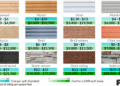
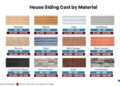
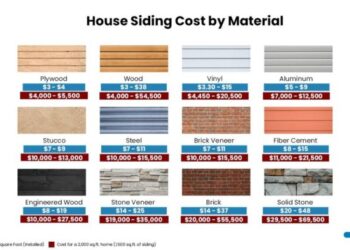
The type of materials used for windows and siding can greatly influence the cost. For example, vinyl siding is usually more affordable compared to fiber cement or wood siding. Similarly, windows made from aluminum are generally cheaper than those made from fiberglass or wood.
Size
The size of your windows and the square footage of your siding will also affect the cost. Larger windows or a bigger area to cover with siding will naturally require more materials, leading to higher expenses.
Style
The style of windows and siding you choose can impact the cost as well. Custom designs or unique features may come at a premium price compared to standard options. Intricate details or special finishes can also add to the overall cost.
Installation Complexity
The complexity of the installation process can also affect the final cost. If your windows or siding require additional structural work or customization, you can expect to pay more for labor and materials.
Location and Labor Costs
The location of your property can influence pricing, as labor costs vary from one region to another. Areas with higher living costs generally have more expensive labor rates, which can impact the overall cost of your project.
Additional Features
Lastly, additional features such as energy-efficient windows or high-quality insulation in siding can increase the overall cost. While these features may come with a higher upfront cost, they can lead to long-term savings on energy bills.
Types of Windows and Siding Materials
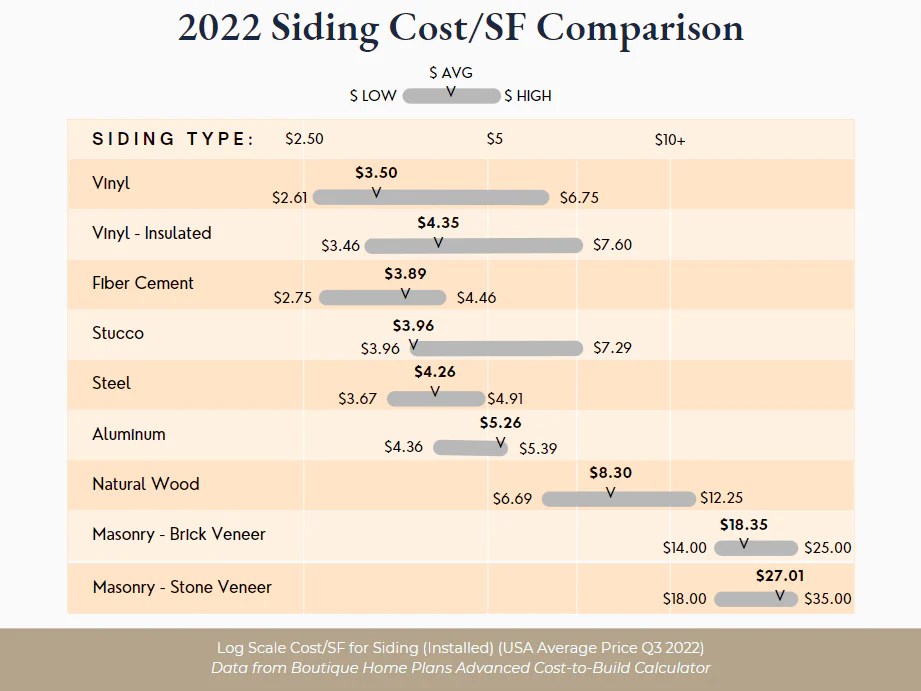
Windows and siding materials play a crucial role in determining the overall cost of a home improvement project. Understanding the common materials used for windows and siding can help homeowners make informed decisions based on their budget and preferences.Vinyl, wood, aluminum, and fiber cement are some of the most popular materials used for windows and siding.
Each material comes with its own set of characteristics, benefits, and costs that can impact the overall pricing of a project.
Vinyl
- Cost-effective option compared to other materials
- Low maintenance requirements
- Wide variety of colors and styles available
Wood
- Classic and timeless aesthetic appeal
- Higher upfront cost compared to vinyl
- Requires regular maintenance such as painting and staining
Aluminum
- Durable and resistant to corrosion
- Lightweight material that is easy to install
- May not offer as much insulation as other materials
Fiber Cement
- Durable and resistant to fire, insects, and rot
- Higher upfront cost but long-term savings on maintenance
- Can mimic the look of wood or other materials
Cost Comparison
Installing new windows and siding are both significant investments in your home. Let's break down the costs associated with each to help you make an informed decision.
Material Costs
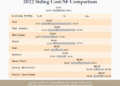
When it comes to material costs, siding generally tends to be more expensive than windows. The price of siding materials varies depending on the type of material you choose, such as vinyl, wood, or fiber cement. On the other hand, windows also have a range of options, including vinyl, wood, aluminum, or fiberglass.
However, windows are typically cheaper per square foot compared to siding materials
Installation Charges
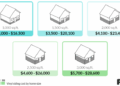
The installation charges for windows and siding can vary based on the size of your home, the type of material being used, and the complexity of the installation process. Siding installation often requires more labor and time compared to windows, which can impact the overall cost.
Additionally, factors like the need for insulation or repairs can increase the installation charges for both windows and siding.
Long-Term Maintenance Expenses
In terms of long-term maintenance expenses, siding generally requires more upkeep compared to windows. Depending on the material chosen for siding, you may need to repaint, reseal, or repair it periodically to maintain its appearance and functionality. Windows, on the other hand, may require occasional cleaning and inspections but typically have lower maintenance costs over time.
Return on Investment
When considering the return on investment in terms of home value, both new windows and siding can increase the overall value of your home. However, siding replacement often yields a higher return on investment compared to window replacement. This is because new siding can significantly enhance curb appeal and improve energy efficiency, which are key factors for potential home buyers.
Budgeting and Financing Options
When planning for windows and siding projects, it is crucial to consider your budget and explore financing options to ensure a smooth and successful renovation process.
Effective Budgeting Tips
Before diving into your project, consider the following budgeting tips to help you stay on track:
- Get multiple quotes from different contractors to compare prices and choose the best option.
- Set aside a contingency fund for unexpected expenses that may arise during the project.
- Prioritize necessary upgrades and consider postponing cosmetic enhancements if they exceed your budget.
- Research energy-efficient options that may qualify for rebates or incentives, helping you save money in the long run.
Financing Options for Homeowners
Homeowners looking to replace windows or siding can explore various financing options, such as:
- Personal Loans:Borrowing a fixed amount with a set repayment schedule.
- Home Equity Loans:Using the equity in your home to secure a loan for renovations.
- Manufacturer Financing:Some manufacturers offer financing options for their products.
Cost-Saving Strategies and Incentives
There are several strategies and incentives that can help offset the overall expenses of your windows and siding project:
- Look for rebates or tax credits for energy-efficient upgrades.
- Consider DIY installation for cost savings, but only if you have the necessary skills and experience.
- Buy materials in bulk or during sales to take advantage of discounts.
- Explore community programs or grants that support home improvement projects.
Closing Summary
As we conclude our discussion on windows and siding cost, it becomes evident that these components are not merely expenses but investments in the longevity and aesthetics of your home. By understanding the intricacies of pricing and factors that influence costs, you are better equipped to make choices that align with your budget and vision.
Here's to successful home improvements that enhance both the value and comfort of your living space.
Frequently Asked Questions
What factors can impact the cost of windows and siding?
Factors such as materials, size, style, installation complexity, location, labor costs, and additional features can all influence the overall cost of windows and siding.
Which financing options are available for windows and siding projects?
Homeowners looking to replace windows or siding can explore financing options like personal loans, home equity loans, or contractor financing to manage the expenses effectively.
How can homeowners budget effectively for windows and siding projects?
Effective budgeting for windows and siding projects involves researching costs, setting priorities, obtaining multiple quotes, and considering long-term maintenance expenses to avoid financial surprises.
Which material offers the best balance between durability and cost for windows and siding?
While each material has its pros and cons, vinyl is often considered a cost-effective option that provides a good balance between durability, maintenance, and initial cost for windows and siding.