
House siding installation cost sets the stage for this enthralling narrative, offering readers a glimpse into a story that is rich in detail and brimming with originality from the outset.
As we delve into the various factors, comparisons, labor costs, and budgeting strategies surrounding house siding installation, a world of insights and tips unfolds for homeowners seeking to enhance their properties.
Factors Affecting House Siding Installation Cost
When it comes to determining the cost of installing house siding, there are several factors that can influence the overall expenses. Let's take a closer look at some of the key aspects that impact house siding installation costs.
Types of Siding Materials
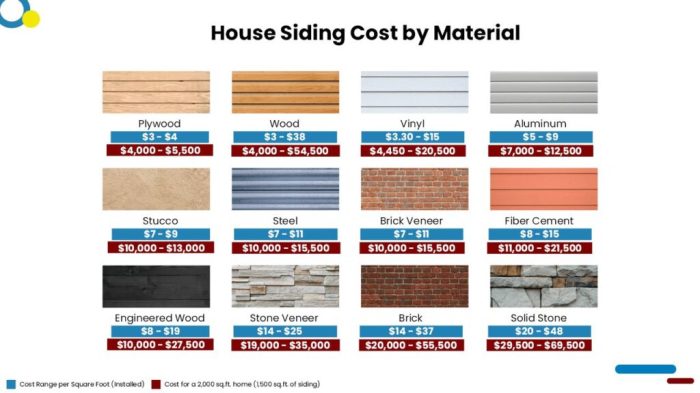
Different types of siding materials can have a significant impact on the overall cost of installation. Some common siding materials include vinyl, wood, fiber cement, and aluminum. Each material comes with its own price point, installation requirements, and maintenance needs, which can all contribute to the total cost of the project.
Size and Layout of the House
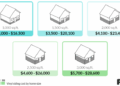
The size and layout of the house play a crucial role in determining the cost of siding installation. A larger house will require more materials and labor, leading to higher expenses. Additionally, houses with complex layouts or architectural features may require extra time and effort to properly install the siding, further adding to the overall cost.
Additional Features
Incorporating additional features such as trim, insulation, and finishes can also impact the total cost of house siding installation. These extras not only enhance the aesthetic appeal of the house but also provide added protection and energy efficiency. However, they come at an additional cost that should be factored into the overall budget for the project.
Cost Comparison of Different Siding Materials
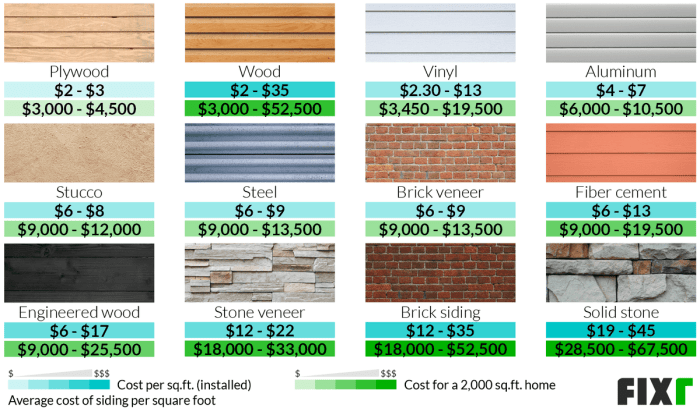
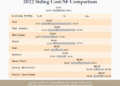
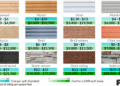
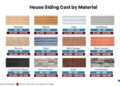
When considering house siding installation costs, it's essential to compare the prices of different siding materials to make an informed decision. The cost per square foot can vary significantly depending on the type of material used.
Vinyl Siding
Vinyl siding is one of the most affordable options, with an average cost of $4 to $7 per square foot. While it may be cheaper upfront, it is essential to consider the long-term cost-effectiveness. Vinyl siding requires minimal maintenance, making it a cost-effective option over time.
Fiber Cement Siding
Fiber cement siding is a more durable option compared to vinyl, with an average cost ranging from $5 to $12 per square foot. Although the initial cost is higher, fiber cement siding is known for its longevity and low maintenance requirements, making it a cost-effective choice in the long run.
Wood Siding
Wood siding offers a natural and timeless look but comes with a higher price tag, averaging $8 to $14 per square foot. While wood siding requires more upkeep and maintenance to prevent rot and pests, some homeowners prefer its aesthetic appeal despite the higher cost.
Regional Pricing Variations
It's important to consider regional pricing variations when estimating the overall cost of siding installation. Factors such as labor costs, material availability, and local building codes can impact the final price. For example, areas with higher labor costs or limited access to certain materials may result in a higher overall cost for siding installation.
Labor Costs and Installation Challenges
Labor costs are a significant factor to consider when budgeting for house siding installation. The cost of labor can vary depending on the complexity of the project, the size of the house, and the location
Common challenges that may increase labor costs during the installation process include:
1. Structural Repairs
Structural issues such as rotting wood or damaged sheathing may require additional time and expertise to repair before the siding installation can begin. This can significantly increase labor costs.
2. Weather Conditions
Unfavorable weather conditions, such as rain or extreme heat, can slow down the installation process and lead to additional labor hours. This can result in higher labor costs than initially anticipated.
3. Customizations and Detailed Work
If you opt for customizations or intricate designs for your siding, it may require more time and effort from the workers. This extra attention to detail can increase labor costs.
4. Removal of Old Siding
Removing old siding can be a labor-intensive process, especially if the existing siding is in poor condition or contains hazardous materials like asbestos. This can add to the overall labor costs of the project.
Importance of Hiring Professional Contractors vs. DIY Installation
While some homeowners may consider DIY installation to save on labor costs, it is crucial to weigh the pros and cons. Hiring professional contractors ensures quality workmanship, timely completion, and adherence to building codes. While the upfront cost may be higher, the long-term benefits of professional installation can outweigh the savings from a DIY approach.
Cost-Saving Tips and Budgeting Strategies
When it comes to siding installation, homeowners can take steps to reduce costs without sacrificing quality. By implementing smart budgeting strategies and being proactive in obtaining multiple quotes, it is possible to save money on this home improvement project.
Obtain Multiple Quotes
One of the best ways to ensure you are getting a fair price for your siding installation is to obtain quotes from multiple contractors. This allows you to compare prices, services offered, and the quality of materials. By doing so, you can make an informed decision based on the best value for your budget.
Budgeting Strategies
Planning and managing the expenses of a siding installation project is crucial to staying within budget. Here are some budgeting strategies to help you effectively allocate funds:
- Set a realistic budget: Determine how much you can afford to spend on siding installation and stick to it.
- Research materials: Compare the costs of different siding materials and choose one that fits your budget while meeting your aesthetic and durability requirements.
- Plan for unexpected expenses: Set aside a contingency fund for any unforeseen costs that may arise during the project.
- Consider DIY options: If you have the skills and tools, consider doing some of the installation work yourself to save on labor costs.
- Timing is key: Schedule your siding installation during off-peak seasons when contractors may offer discounted rates.
Summary
In conclusion, the realm of house siding installation cost is complex yet full of opportunities for informed decision-making. Armed with knowledge from this discussion, homeowners can navigate the intricacies of siding installation with confidence and clarity, ensuring a successful project from start to finish.
Essential FAQs
What factors can impact house siding installation costs?
Factors such as the type of siding materials used, the size and layout of the house, and additional features like trim and insulation can all influence the overall expenses of installation.
How can homeowners reduce siding installation costs?
Homeowners can reduce costs by obtaining multiple quotes from different contractors, exploring cost-effective siding materials, and implementing budgeting strategies to manage expenses efficiently.
Is DIY installation a cost-effective option compared to hiring professional contractors?
While DIY installation may seem cost-effective initially, hiring professional contractors ensures quality workmanship and can prevent common challenges that may increase labor costs in the long run.