
When it comes to revamping the exterior of your home, siding companies play a crucial role in transforming its look and feel. From boosting energy efficiency to offering professional expertise, the world of siding companies is vast and varied. Let's delve into the realm of siding companies in your area to discover the key aspects you need to know.
Importance of Siding Companies
Siding companies play a crucial role in enhancing the exterior of homes, providing both aesthetic appeal and functional benefits.
Enhancing Energy Efficiency
Siding companies help improve energy efficiency by providing proper insulation and sealing against air leaks. This not only reduces energy bills but also contributes to a more sustainable living environment.
Benefits of Hiring Professional Siding Companies
- Expertise: Professional siding companies have the experience and knowledge to ensure a high-quality installation that meets industry standards.
- Time-saving: Hiring professionals can save time and effort compared to DIY projects, ensuring a faster and more efficient completion.
- Quality Materials: Professional siding companies have access to high-quality materials that are durable and long-lasting, ensuring the longevity of your siding.
- Warranty: Many professional siding companies offer warranties on their work, providing peace of mind and protection for your investment.
Types of Siding Materials
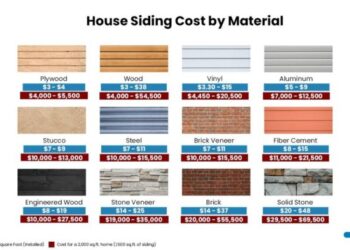
When it comes to siding materials, there are several options commonly used by siding companies. Each material has its own set of characteristics and maintenance requirements. Let's take a closer look at the most popular types of siding materials.
Vinyl Siding
- Vinyl siding is a popular choice due to its affordability and low maintenance.
- It is known for its durability and resistance to rot, moisture, and insects.
- However, vinyl siding can crack or fade over time, especially in extreme weather conditions.
- Regular cleaning with a mild detergent and water is usually sufficient to maintain vinyl siding.
Wood Siding
- Wood siding offers a natural and timeless look that many homeowners love.
- It is more susceptible to rot, pests, and water damage compared to other siding materials.
- Regular staining or painting is required to protect and maintain the wood siding.
- Proper sealing and maintenance can help extend the lifespan of wood siding.
Fiber Cement Siding
- Fiber cement siding is a durable and low-maintenance option that mimics the look of wood.
- It is resistant to fire, insects, rot, and weather damage.
- Painting is required every few years to maintain the appearance of fiber cement siding.
- Regular inspections for cracks or damage are recommended to prevent moisture infiltration.
Metal Siding
- Metal siding is known for its strength, durability, and resistance to fire and pests.
- It can be made from aluminum, steel, or other metals, each with its own set of benefits.
- Metal siding may require occasional repainting to prevent corrosion or fading.
- Regular cleaning and inspection can help maintain the appearance and integrity of metal siding.
Choosing the Right Siding Company
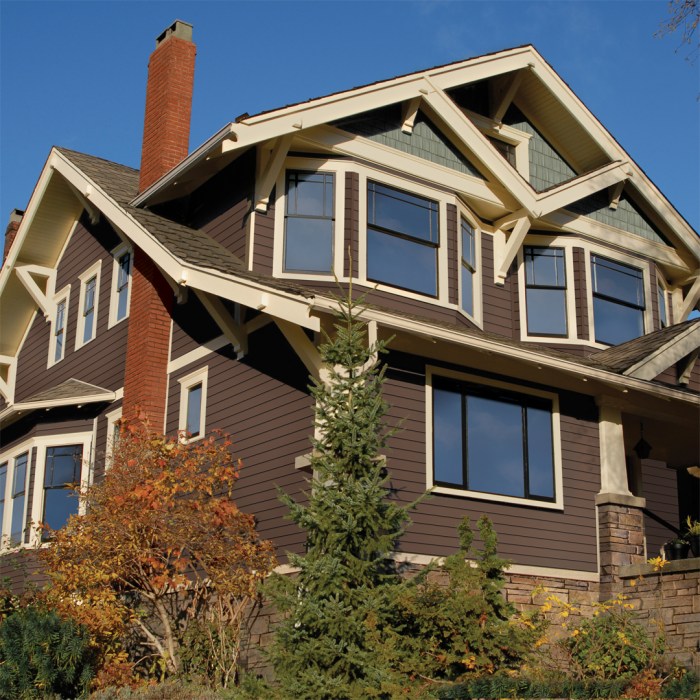
When it comes to selecting a siding company for your home, it's essential to do thorough research to ensure you are choosing a reputable and reliable company. Here are some tips to help you make the right decision.
Checking for Licenses, Insurance, and Warranties
Before hiring a siding company, always check if they have the necessary licenses and insurance to operate in your area. A licensed company ensures that they meet the required standards, while insurance protects you in case of any accidents or damages during the project.
Additionally, reputable companies offer warranties on their work, providing you with peace of mind knowing that they stand behind their services.
Factors to Consider
- Experience:Look for a siding company with a proven track record and years of experience in the industry. Experienced contractors are more likely to deliver high-quality work.
- Reviews:Check online reviews and testimonials from previous customers to get an idea of the company's reputation and work quality. Positive reviews are a good indicator of a reliable company.
- Cost Estimates:While cost is an important factor, it shouldn't be the sole determining factor. Get quotes from multiple companies and compare them based on the services offered and the quality of materials used.
Siding Installation Process
When it comes to siding installation, professional siding companies follow a series of standard steps to ensure a successful and efficient process. Proper preparation and techniques are crucial to achieving a durable and visually appealing result.
Importance of Proper Preparation
Before installing new siding, it is essential to properly prepare the exterior of the building. This includes:
- Removing old siding: Taking the time to remove the existing siding ensures a clean surface for the new material to adhere to.
- Inspecting the exterior: Thoroughly examining the structure allows professionals to identify any underlying issues that need to be addressed before installation.
- Repairing any damage: Addressing any structural damage or issues before installing new siding helps prevent future problems and ensures a smooth installation process.
Common Installation Techniques
Professional siding companies employ various techniques to install siding effectively. Some common methods include:
- Horizontal placement: Installing siding horizontally is a popular choice that can create a traditional and visually appealing look.
- Vertical placement: Vertical siding installation can offer a modern and unique aesthetic, adding visual interest to the exterior of a building.
- Overlap method: Overlapping siding panels help create a seamless and weather-resistant barrier against the elements, enhancing the durability of the installation.
Maintenance and Repairs
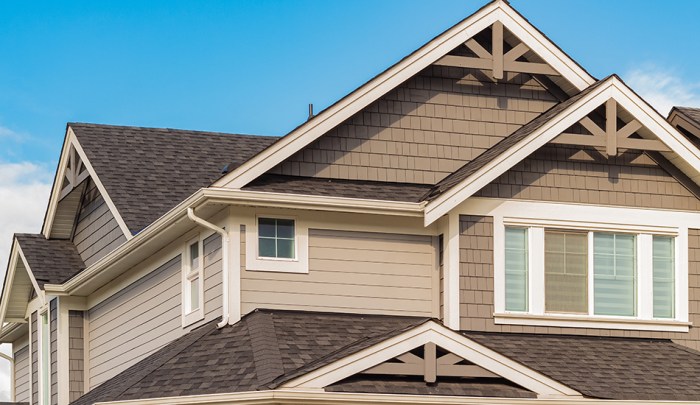
To ensure the longevity and appearance of your siding, proper maintenance and timely repairs are essential. By following some simple guidelines, homeowners can keep their siding in top condition for years to come.
Guidance on Maintenance
- Regularly clean your siding using a mild detergent and a soft brush or cloth to remove dirt, grime, and mold.
- Inspect your siding for any signs of damage such as cracks, warping, or loose panels, and address them promptly.
- Trim any overhanging branches or foliage near the siding to prevent damage and promote airflow.
- Apply a fresh coat of paint or sealant as needed to protect and enhance the appearance of your siding.
Common Issues and Repairs
- Moisture damage: Look out for signs of water infiltration such as mold, mildew, or rot, and contact a siding company for repairs.
- Cracking or warping: These issues can compromise the integrity of your siding and should be addressed by professionals.
- Pest infestation: If you notice signs of pests like termites or carpenter ants, seek immediate assistance to prevent further damage.
Tips for Extending Lifespan
- Perform regular inspections to catch any problems early and prevent costly repairs down the line.
- Consider investing in high-quality siding materials that are durable and require less maintenance in the long run.
- Follow manufacturer guidelines for cleaning and maintenance to ensure the warranty remains valid.
Final Conclusion
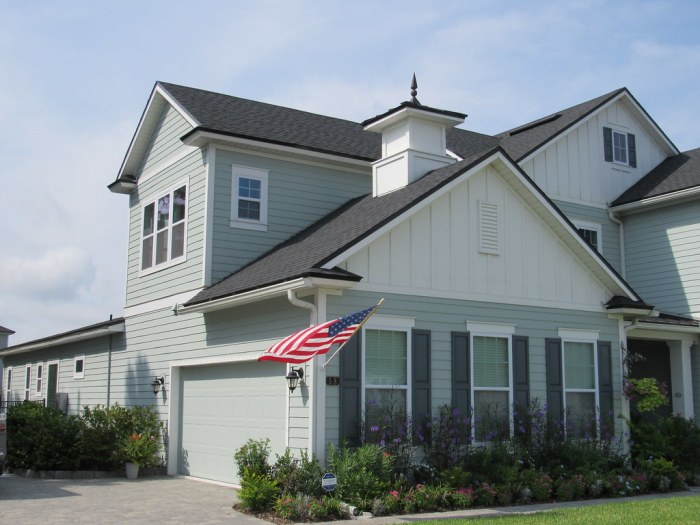
As we conclude our exploration of siding companies in your area, it's evident that finding the right one can make all the difference in enhancing your home's aesthetics and functionality. By understanding the importance of siding materials, choosing the right company, navigating the installation process, and maintaining your siding, you're well-equipped to embark on this home improvement journey with confidence.
Questions and Answers
What are the common types of siding materials used by siding companies?
Vinyl, wood, fiber cement, and metal are commonly used siding materials by professional siding companies.
How can homeowners maintain their siding after installation?
Regular cleaning, inspections, and addressing any issues promptly can help extend the lifespan of siding.
What factors should be considered when choosing a siding company?
Experience, reviews, cost estimates, licenses, insurance, and warranties are crucial factors to consider when selecting a siding company.