
All siding offers a plethora of choices when it comes to enhancing the exterior of a building. From classic wood to modern metal, each material brings its own unique characteristics and considerations. This guide delves into the world of siding, comparing materials, discussing installation processes, maintenance requirements, and even shedding light on the environmental impact of your siding choices.
Get ready to uncover everything you need to know about siding options for your home or building.
Types of siding materials
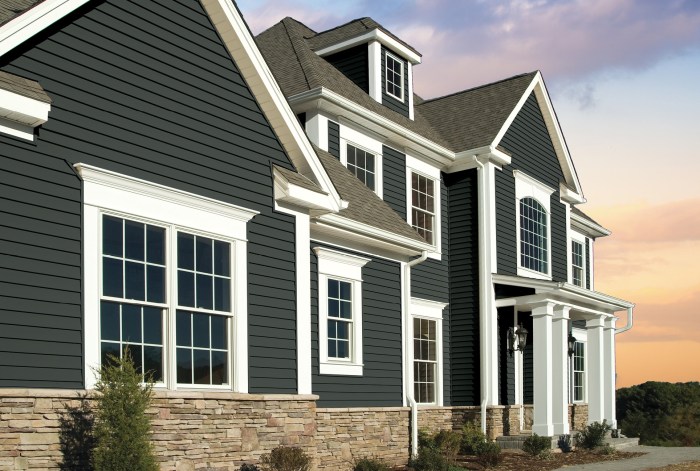
When it comes to choosing siding for your home, there are several materials to consider, each with its own unique characteristics. Let's compare and contrast different siding materials like vinyl, wood, fiber cement, and metal to help you make an informed decision.
Vinyl Siding
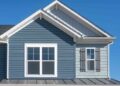
Vinyl siding is a popular choice for its affordability and low maintenance requirements. It comes in a variety of colors and styles, making it versatile for different architectural designs. However, vinyl siding may not be as durable as other materials and can crack or fade over time.
Some popular brands include CertainTeed and Alside.
Wood Siding
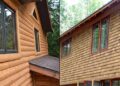
Wood siding offers a classic, natural look that can enhance the aesthetic appeal of your home. It is durable and can be painted or stained to match your preferences. However, wood siding requires regular maintenance, such as painting or sealing, to prevent rot and insect damage.
Popular wood siding brands include Cedar Valley and Maibec.
Fiber Cement Siding
Fiber cement siding is known for its durability and resistance to fire, insects, and rot. It can mimic the look of wood or masonry without the high maintenance requirements. While fiber cement siding is more expensive upfront, it can save on long-term maintenance costs.
Popular brands include James Hardie and Allura.
Metal Siding
Metal siding, such as steel or aluminum, is incredibly durable and can withstand harsh weather conditions. It is low maintenance and resistant to fire, rot, and insects. However, metal siding can dent easily and may require repainting over time. Popular metal siding brands include Mastic by Ply Gem and Revere.
Installation Process
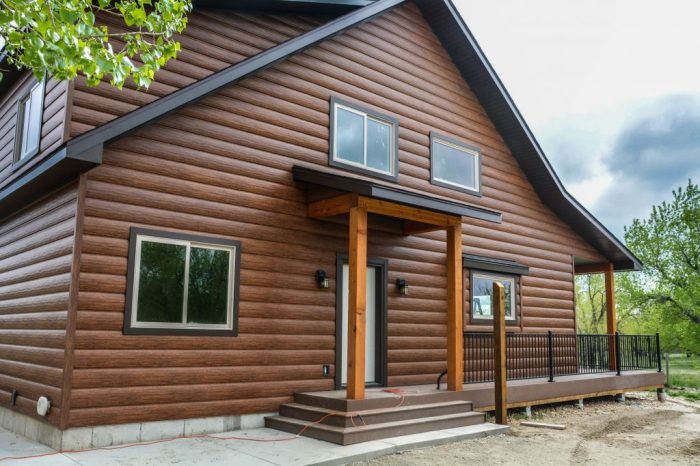
Installing siding on a building involves several key steps to ensure a proper and effective installation. From preparation to finishing touches, each stage plays a crucial role in the overall outcome.
Preparation
- Inspect the exterior of the building for any damage or issues that need to be addressed before installation.
- Clean the surface area thoroughly to remove dirt, debris, and any existing siding that needs to be replaced.
- Measure and cut the siding panels to fit the dimensions of the building, ensuring accuracy and precision.
Tools and Equipment
- Siding panels
- Hammer
- Nails or screws
- Tape measure
- Saw (if cutting is required)
- Level
- Caulk and caulking gun
Installation Techniques
- Start from the bottom and work your way up when installing siding to ensure proper alignment and water drainage.
- Overlap each siding panel slightly to prevent gaps and improve insulation.
- Use a level to ensure that the siding is installed straight and evenly across the building.
- Secure the siding panels with nails or screws at the designated locations specified by the manufacturer.
- Apply caulk around windows, doors, and corners to seal any gaps and prevent water infiltration.
- Finish the installation by adding trim pieces and accessories for a polished look.
Maintenance and care
Regular maintenance is key to preserving the appearance and longevity of your siding. Different types of siding materials require specific care to ensure they remain in good condition over time.
Cleaning and upkeep
- For vinyl siding, a simple mixture of water and mild detergent can be used to clean off dirt and grime. Avoid using harsh chemicals or abrasive tools to prevent damage.
- Wood siding should be cleaned with a soft brush or cloth and a gentle cleanser. Regularly inspect for signs of rot or mold, as these issues can quickly spread if not addressed promptly.
- Fiber cement siding can be cleaned with a mixture of water and mild soap. Avoid using high-pressure washers, as they can damage the surface of the siding.
- Metal siding can be cleaned with a solution of water and vinegar to remove dirt and stains. Be sure to rinse thoroughly to prevent any residue from causing discoloration.
Preventing common issues
- To prevent mold growth, ensure proper ventilation around your home and address any areas of moisture buildup promptly.
- Trim back any vegetation near your siding to prevent mold growth and damage from overgrowth.
- Consider applying a protective sealant or paint to your siding to provide an extra layer of protection against the elements.
Environmental impact
When it comes to siding materials, considering their environmental impact is crucial in today's world. Different materials have varying levels of sustainability and effects on the environment. Making an eco-friendly choice can not only benefit the planet but also contribute to energy efficiency in buildings.
Sustainability of siding materials
Each siding material has a different level of sustainability based on factors like production process, durability, and recyclability. Here is a breakdown of some common siding materials:
- Vinyl siding: Although durable, the production of vinyl siding involves the use of fossil fuels and emits toxic chemicals. It is not biodegradable and can release harmful substances when disposed of.
- Wood siding: Wood is a renewable resource, but deforestation can be a concern. Opting for sustainably sourced wood or reclaimed wood can reduce the environmental impact.
- Fiber cement siding: Made from a mix of cement, sand, and cellulose fibers, fiber cement siding is durable and low maintenance. However, the production process can be energy-intensive.
- Composite siding: Composite materials often contain recycled content, making them a more sustainable option. They are also durable and require minimal maintenance.
Eco-friendly siding options
For those looking to minimize their environmental footprint, there are several eco-friendly siding options available:
- Recycled plastic siding: Made from recycled plastic, this siding option helps reduce waste and can be recycled again at the end of its lifespan.
- Reclaimed wood siding: Using reclaimed wood not only adds character to a building but also prevents the need for new trees to be cut down.
- Bamboo siding: Bamboo is a fast-growing and renewable resource that can be harvested sustainably for siding applications.
Contribution to energy efficiency
Choosing the right siding material can also impact the energy efficiency of a building. Insulated siding, for example, can help reduce heat loss in winter and heat gain in summer, leading to lower energy bills. Additionally, lighter-colored siding can reflect more sunlight, reducing the need for cooling in hot climates.
Ending Remarks
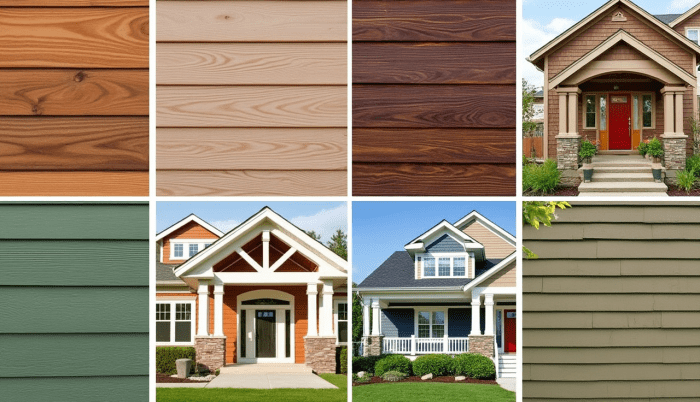
In conclusion, the world of siding is vast and varied, with options to suit every taste and need. Whether you prioritize durability, eco-friendliness, or aesthetics, there's a siding material out there for you. By understanding the nuances of each material and following best practices for installation and maintenance, you can ensure that your siding not only looks great but also stands the test of time.
Make informed choices when it comes to siding, and watch your building transform into a true masterpiece.
Q&A
How often should I clean my siding?
It's recommended to clean siding at least once a year to prevent dirt buildup and maintain its appearance.
Which siding material is the most eco-friendly?
Fiber cement siding is considered one of the most eco-friendly options due to its durability and recyclability.
Can I paint my vinyl siding?
Yes, vinyl siding can be painted, but it's important to use the right type of paint and follow proper preparation techniques.
What is the average lifespan of metal siding?
Metal siding can last anywhere from 40 to 60 years with proper maintenance and care.
How can I prevent warping in wood siding?
Applying a protective sealant and ensuring proper ventilation can help prevent warping in wood siding.