
Exploring the cost of replacing wood siding with vinyl, this introduction sets the stage for a detailed analysis of the financial aspects involved. From material costs to labor expenses, this topic delves into the various factors that influence the overall expenditure of such a renovation project.
The following paragraphs will provide a breakdown of costs, cost-saving tips, environmental considerations, and more, offering valuable insights for those considering a switch from wood siding to vinyl.
Factors affecting the cost difference between wood siding and vinyl siding replacement
When considering the cost of replacing wood siding with vinyl siding, there are several factors that can impact the overall price. These factors include material costs, labor costs, and maintenance expenses. Let's delve into each of these aspects to understand the differences between wood siding and vinyl siding replacement.
Material Costs Impact
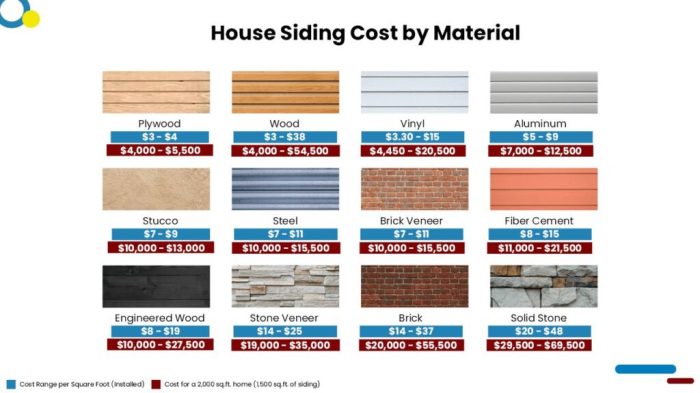
Material costs play a significant role in determining the overall cost of replacing siding. Wood siding tends to be more expensive than vinyl siding due to the higher cost of wood materials. Wood siding is also more labor-intensive to install, which can further drive up the price.
On the other hand, vinyl siding is typically more affordable and easier to install, resulting in lower material costs overall.
Labor Costs Involved
Labor costs are another important factor to consider when comparing wood siding and vinyl siding replacement. As mentioned earlier, wood siding requires more labor-intensive installation, which can increase the overall cost of replacement. The intricate nature of wood siding installation often requires more skilled labor and more time to complete.
In contrast, vinyl siding is easier and quicker to install, leading to lower labor costs.
Maintenance Costs Comparison
In addition to the initial replacement cost, it is essential to consider the long-term maintenance expenses associated with wood siding and vinyl siding. Wood siding typically requires more upkeep, such as regular painting, staining, and sealing to maintain its appearance and protect it from the elements.
These maintenance tasks can add up over time, increasing the overall cost of wood siding. On the other hand, vinyl siding is relatively low-maintenance, requiring only occasional cleaning to keep it looking its best. This results in lower maintenance costs over the lifespan of the siding.
Cost breakdown for replacing wood siding with vinyl siding
Replacing wood siding with vinyl siding involves several cost components that homeowners should consider. Let's break down the costs involved in this replacement project.
Material Costs for Vinyl Siding Replacement
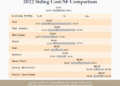
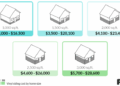
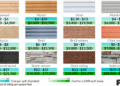
- Vinyl siding: The cost of vinyl siding can vary depending on the quality and style chosen. On average, homeowners can expect to pay around $2 to $7 per square foot for vinyl siding materials.
- Insulation: It is recommended to install insulation under the vinyl siding to improve energy efficiency. The cost of insulation materials can range from $0.50 to $1 per square foot.
- Trim and accessories: Additional trim pieces and accessories may be needed to complete the vinyl siding installation. These can cost around $1 to $3 per linear foot.
Labor Costs for Removing Wood Siding and Installing Vinyl Siding
- Removing wood siding: Labor costs for removing wood siding can vary based on the size of the project and the condition of the existing siding. On average, homeowners can expect to pay between $1,000 to $3,000 for labor to remove wood siding.
- Installing vinyl siding: Labor costs for installing vinyl siding can range from $2 to $7 per square foot. The total labor cost will depend on the size of the project and any additional work required.
Additional Costs
- Disposal fees: Homeowners may incur additional costs for disposing of the old wood siding. These fees can vary based on the amount of debris generated during the removal process.
- Permit costs: Depending on local regulations, homeowners may need to obtain a permit for the siding replacement project. Permit costs can range from $100 to $500 or more, depending on the area.
Cost-saving tips for replacing wood siding with vinyl siding
Replacing wood siding with vinyl siding can be a cost-effective way to enhance the appearance and durability of your home. Here are some tips to help you save money during the replacement process:
Minimizing material costs without compromising quality
When it comes to choosing vinyl siding, opt for mid-grade options that offer a good balance between quality and cost. Look for promotions or discounts from suppliers to save on material expenses. Additionally, consider buying in bulk to take advantage of wholesale pricing.
DIY options versus hiring professionals and cost implications
If you have the necessary skills and tools, tackling the installation of vinyl siding as a do-it-yourself project can significantly reduce labor costs. However, keep in mind that improper installation can lead to costly repairs down the line. Hiring a professional may be more expensive upfront but can ensure a high-quality finish and long-lasting results.
Potential tax credits or rebates for energy-efficient vinyl siding
Check with your local government or utility providers to see if there are any tax credits or rebates available for choosing energy-efficient vinyl siding. Investing in insulated vinyl siding can not only save you money on heating and cooling costs but also qualify you for potential financial incentives.
Environmental impact
Wood siding replacement with vinyl can have various environmental impacts that should be considered before making a decision. This includes the production and disposal of vinyl siding materials, the long-term cost savings related to energy efficiency, and the durability and lifespan of wood siding versus vinyl siding in terms of cost-effectiveness.
Production and Disposal of Vinyl Siding
- Vinyl siding is made from PVC, a plastic material that requires a significant amount of energy to produce.
- The manufacturing process of PVC releases harmful chemicals into the environment, contributing to pollution.
- Disposing of vinyl siding at the end of its lifespan can be problematic as PVC is not biodegradable and can release toxins when incinerated.
Long-Term Cost Savings with Energy Efficiency
- Vinyl siding is known for its energy efficiency properties, providing insulation that can help reduce heating and cooling costs over time.
- By improving the energy efficiency of a home with vinyl siding, homeowners can potentially save money on utility bills in the long run.
Durability and Lifespan Comparison
- Vinyl siding is generally more durable and requires less maintenance compared to wood siding, which can lead to cost savings in terms of repairs and replacements.
- While wood siding has a classic look, it may require more frequent maintenance, such as painting and sealing, to prolong its lifespan.
- In the long term, choosing vinyl siding over wood siding can result in cost savings due to its lower maintenance requirements and longer lifespan.
Final Conclusion
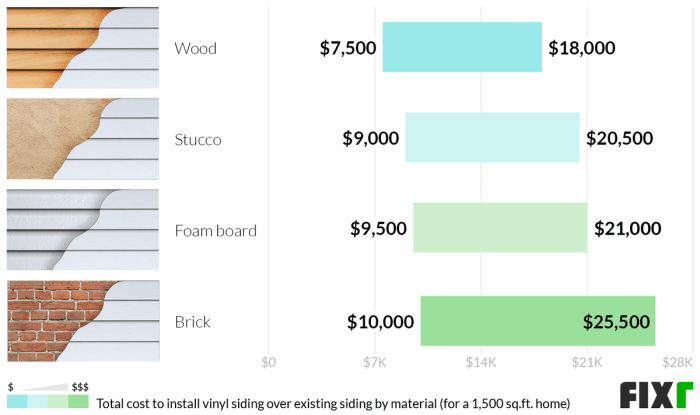
In conclusion, the discussion on the cost of replacing wood siding with vinyl sheds light on the financial implications of this home improvement endeavor. By weighing the factors discussed in this guide, homeowners can make informed decisions that align with their budget and preferences.
Questions and Answers
What are the key factors influencing the cost difference between wood siding and vinyl siding replacement?
Material costs, labor expenses, and maintenance costs play significant roles in determining the overall cost variation between wood siding and vinyl siding replacement.
Are there any cost-saving tips for replacing wood siding with vinyl siding?
Strategies such as minimizing material costs, considering DIY options, and exploring potential tax credits for energy-efficient choices can help reduce expenses without compromising quality.
What environmental considerations should be kept in mind when choosing vinyl siding over wood siding?
Analyzing the environmental costs of production and disposal of vinyl siding materials, as well as evaluating long-term energy efficiency and durability, are crucial factors when considering the environmental impact of this choice.