
Exterior vinyl wood siding offers a modern twist on traditional wood siding, combining durability and aesthetic appeal. In this comprehensive guide, we delve into the various aspects of exterior vinyl wood siding, from its installation process to design options and maintenance tips.
Let's embark on a journey to discover the advantages and versatility of this innovative siding material.
Benefits of Exterior Vinyl Wood Siding
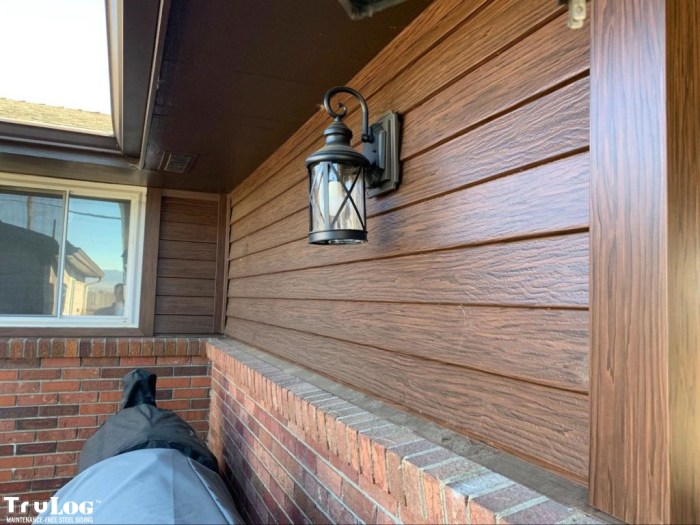
Vinyl wood siding offers a range of benefits that make it a popular choice for exterior applications. From durability to cost-effectiveness, here are some key advantages of using vinyl wood siding:
Durability of Vinyl Wood Siding
Vinyl wood siding is known for its exceptional durability, outlasting traditional wood siding in harsh weather conditions. Unlike wood, vinyl does not rot, warp, or crack, making it a long-lasting option for your home's exterior.
Maintenance Requirements
One of the main advantages of vinyl wood siding is its low maintenance requirements. Unlike wood siding, which needs regular painting and staining to maintain its appearance, vinyl only requires occasional cleaning with soap and water to keep it looking like new.
Cost-Effectiveness
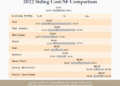
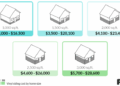
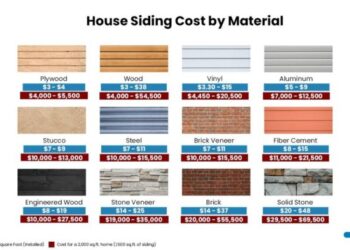
In addition to its durability and low maintenance needs, vinyl wood siding is also cost-effective compared to traditional wood siding. The initial cost of vinyl siding may be higher, but the long-term savings on maintenance and replacement make it a more affordable option over time.
Installation Process of Exterior Vinyl Wood Siding
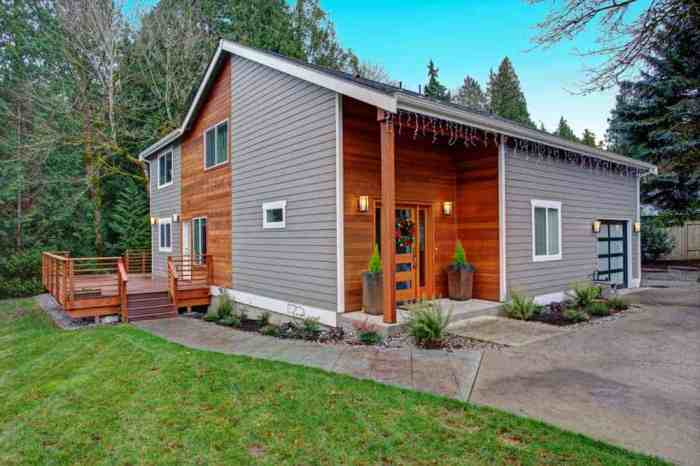
When it comes to installing exterior vinyl wood siding, following a step-by-step guide is crucial to ensure a successful and long-lasting result. Let's dive into the installation process of vinyl wood siding and compare it with other siding materials.
Step-by-Step Guide for Installing Vinyl Wood Siding
- Prepare the surface: Clean the existing exterior walls and repair any damage or rot.
- Measure and cut: Measure the dimensions of the walls and cut the vinyl wood siding panels accordingly.
- Install starter strips: Begin by installing starter strips at the bottom of the wall to provide a level base for the siding panels.
- Attach the siding panels: Start from one corner and work your way across, securing the panels with nails or screws.
- Overlap and secure: Ensure each panel overlaps the previous one for proper protection against moisture and secure them in place.
- Finish the edges: Use trim pieces to finish the edges and corners for a polished look.
Comparison with Other Siding Materials
- Compared to traditional wood siding, vinyl wood siding is easier to install and requires less maintenance over time.
- Unlike brick or stone siding, vinyl wood siding is lightweight and can be installed without specialized equipment.
- When compared to metal siding, vinyl wood siding is more cost-effective and provides better insulation properties.
Tools and Equipment Needed for Installation
- Hammer or nail gun
- Level
- Tape measure
- Saw for cutting
- Siding clips or nails
- Caulk and caulking gun
Design Options and Styles Available for Exterior Vinyl Wood Siding
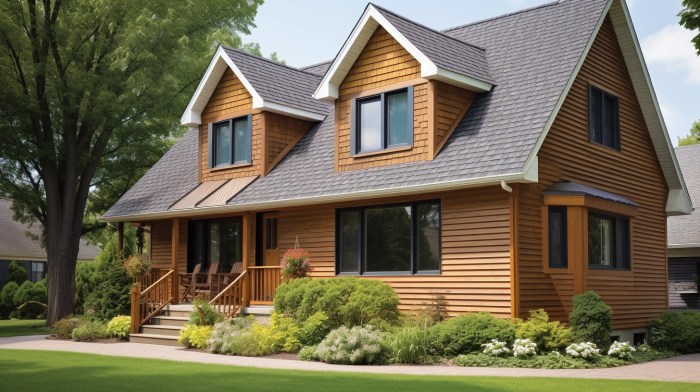
When it comes to exterior vinyl wood siding, there are various design options and styles to choose from. Let's explore the different textures, finishes, and color options available to help you select the perfect design to complement your home's architectural style.
Textures and Finishes
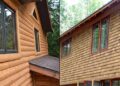
Vinyl wood siding comes in a variety of textures and finishes to mimic the look of real wood. Some common options include smooth, wood grain, and cedar shake textures
Color Options
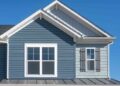
One of the advantages of vinyl wood siding is the wide range of color options available. From natural wood tones like oak and cedar to bold colors like blue and red, you can find a color that suits your personal style and complements your home's exterior.
Additionally, vinyl siding is fade-resistant, ensuring that your chosen color will remain vibrant for years to come.
Choosing the Right Design
When selecting a design for your exterior vinyl wood siding, it's essential to consider your home's architectural style. For traditional homes, classic wood grain textures in neutral colors like beige or gray can enhance the overall look. On the other hand, modern homes can benefit from sleek, smooth finishes in bold hues to create a contemporary aesthetic.
By matching the design of your siding to your home's architecture, you can achieve a cohesive and visually appealing exterior.
Maintenance Tips for Exterior Vinyl Wood Siding
Maintaining your exterior vinyl wood siding is essential to ensure its longevity and keep it looking great. Here are some tips to help you properly care for your siding:
Cleaning and Maintaining Vinyl Wood Siding
- Regularly clean the siding with a mixture of mild soap and water to remove dirt, grime, and mildew.
- Avoid using harsh chemicals or abrasive cleaners that could damage the surface of the siding.
- Rinse the siding thoroughly with a garden hose to remove any soap residue.
- Inspect the siding for any damage or signs of wear, and make repairs as needed to prevent further issues.
Preventing Common Issues
- To prevent warping, ensure that the siding is properly installed with enough room for expansion and contraction.
- To prevent fading, choose a vinyl wood siding product with UV inhibitors or consider applying a protective coating.
- Regularly inspect the siding for mold or mildew growth, especially in areas with high humidity, and address it promptly.
Extending the Lifespan of Vinyl Wood Siding
- Perform regular maintenance checks and address any issues immediately to prevent further damage.
- Consider applying a fresh coat of paint or sealant every few years to protect the siding from the elements.
- Trim any trees or bushes near the siding to prevent damage from branches or debris.
Last Point
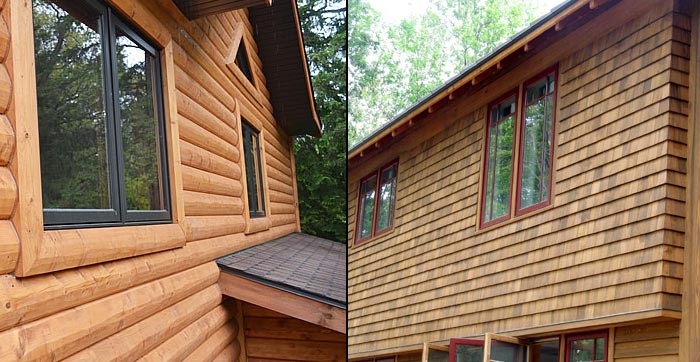
As we conclude our exploration of exterior vinyl wood siding, it's evident that this material not only enhances the exterior appearance of a property but also provides long-lasting benefits. Whether it's the cost-effectiveness, design options, or maintenance tips, vinyl wood siding proves to be a reliable choice for homeowners looking to elevate their curb appeal.
Popular Questions
How does the durability of vinyl wood siding compare to traditional wood siding?
Vinyl wood siding is known for its superior durability, as it is resistant to rot, pests, and moisture damage, unlike traditional wood siding that requires more maintenance to prevent these issues.
What are the maintenance requirements for vinyl wood siding?
Maintenance for vinyl wood siding is minimal, usually requiring occasional cleaning with a mild detergent and water to maintain its appearance and longevity.
Is vinyl wood siding cost-effective for exterior applications?
Yes, vinyl wood siding is cost-effective due to its durability and minimal maintenance requirements, which can save homeowners money in the long run compared to traditional wood siding.
How can I prevent common issues like warping or fading in vinyl wood siding?
To prevent warping or fading, it's essential to follow proper maintenance practices such as regular cleaning, avoiding harsh chemicals, and inspecting for any damage that may need repair.
What is the lifespan of vinyl wood siding?
Vinyl wood siding can last for several decades with proper maintenance, and its lifespan can be extended by following recommended care guidelines.