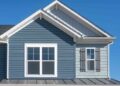

Embark on a journey into the realm of fiber cement stucco panel siding, where durability meets design in a harmonious blend. This introductory passage sets the stage for a deep dive into the intricacies of this versatile siding option, promising a wealth of knowledge and inspiration for homeowners and contractors alike.
Delve into the fascinating world of fiber cement stucco panel siding, where practicality and aesthetics converge to elevate any property to new heights.
Introduction to Fiber Cement Stucco Panel Siding
Fiber cement stucco panel siding is a durable and versatile building material made from a combination of cement, sand, and cellulose fibers. It is formed into panels that mimic the look of traditional stucco, offering a sleek and modern aesthetic for both residential and commercial properties.
Benefits of Using Fiber Cement Stucco Panel Siding
- Durability: Fiber cement stucco panel siding is highly resistant to rot, impact, and fire, making it a long-lasting option for exteriors.
- Low Maintenance: This type of siding requires minimal upkeep, saving time and money on repairs and repainting.
- Versatility: Fiber cement stucco panel siding can be painted in a variety of colors to suit different architectural styles and preferences.
- Weather Resistance: It can withstand harsh weather conditions, including extreme heat, cold, and moisture, without warping or deteriorating.
Common Applications of Fiber Cement Stucco Panel Siding
- Residential Homes: Many homeowners choose fiber cement stucco panel siding for its aesthetic appeal and durability, enhancing the curb appeal of their properties.
- Commercial Buildings: From office complexes to retail spaces, fiber cement stucco panel siding is a popular choice for its clean look and low maintenance requirements.
- Multi-Family Units: Apartment buildings and condominiums often opt for fiber cement stucco panel siding due to its longevity and ability to withstand wear and tear.
Composition and Manufacturing Process
Fiber cement stucco panel siding is composed of a mixture of cement, sand, cellulose fibers, and water. These materials are combined to create a durable and resilient siding material that is resistant to rot, fire, and pests.
Manufacturing Process
The manufacturing process of fiber cement stucco panel siding involves mixing the raw materials together to form a slurry. This slurry is then poured into molds and pressed to remove excess water. The panels are then cured in a high-pressure autoclave to ensure proper bonding and strength.
After curing, the panels are painted or coated to provide additional protection and aesthetic appeal.
Durability Comparison
- Fiber cement stucco panel siding is highly durable and low maintenance compared to other siding materials like wood or vinyl.
- It is resistant to moisture, rot, insects, and fire, making it a long-lasting option for exterior cladding.
- Fiber cement stucco panel siding also has a longer lifespan than traditional stucco or wood siding, reducing the need for frequent repairs or replacements.
Installation Techniques
When it comes to installing fiber cement stucco panel siding, following the correct techniques is essential to ensure a durable and visually appealing finish. Proper installation not only enhances the aesthetics of the building but also contributes to its longevity.
Step-by-Step Installation Process
- Prepare the surface: Ensure the surface is clean, dry, and free from any debris or dust. Repair any damaged areas and apply a weather-resistant barrier.
- Measure and cut panels: Accurately measure the dimensions of the area to be covered and cut the fiber cement panels accordingly using a circular saw with a carbide-tipped blade.
- Install corner pieces: Begin by installing corner pieces to provide a clean edge and secure them in place using fasteners.
- Attach the panels: Start from one corner and work your way across, securing each panel with galvanized nails or screws. Leave a small gap between panels for expansion.
- Finish the edges: Use trim pieces to finish the edges and corners for a polished look.
- Apply finishing touches: Once all panels are installed, apply the desired finish such as paint or stucco to complete the look.
Tools Required for Installation
- Circular saw with carbide-tipped blade
- Tape measure
- Galvanized nails or screws
- Hammer or screwdriver
- Level
- Weather-resistant barrier
Tips for a Proper Installation
- Follow the manufacturer's instructions carefully to ensure correct installation.
- Use proper safety gear such as gloves and goggles when handling tools and materials.
- Double-check measurements and cuts to avoid wastage of materials.
- Allow for proper ventilation behind the panels to prevent moisture buildup.
- Regularly inspect the siding for any signs of damage or wear and address them promptly.
Maintenance and Care
Maintaining and caring for fiber cement stucco panel siding is essential to ensure its longevity and appearance. Regular maintenance can help prevent damage and prolong the life of your siding.
Cleaning Fiber Cement Stucco Panel Siding
- Regularly clean the siding with a mixture of mild soap and water to remove dirt, dust, and grime.
- Use a soft-bristled brush or a cloth to gently scrub the surface, avoiding harsh abrasives that can damage the finish.
- Rinse the siding thoroughly with clean water to remove any soap residue.
- Avoid using high-pressure washers, as they can cause water to seep behind the panels and lead to moisture-related issues.
Repairing Fiber Cement Stucco Panel Siding
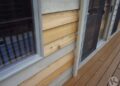
- Inspect the siding regularly for any cracks, chips, or damage.
- Repair small cracks or chips with a high-quality acrylic caulk that matches the color of the siding.
- For larger damage, such as significant cracks or holes, consult a professional to assess and repair the siding properly.
- Address any moisture-related issues promptly to prevent further damage to the siding.
Extending the Lifespan of Fiber Cement Stucco Panel Siding
- Apply a fresh coat of paint or sealant every 5-7 years to protect the siding from the elements and maintain its appearance.
- Trim trees and shrubs near the siding to prevent damage from branches and debris.
- Regularly inspect the siding for signs of wear and tear, and address any issues promptly to prevent further damage.
- Ensure proper installation and ventilation to prevent moisture buildup behind the panels.
Design Options and Customization
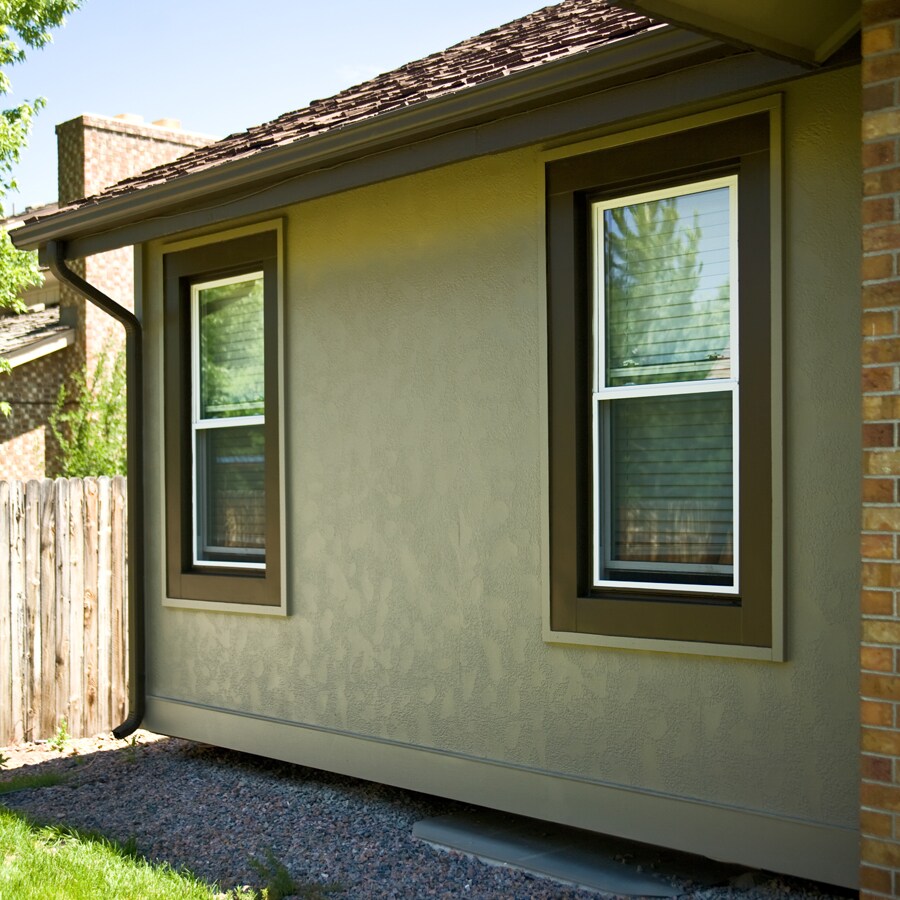
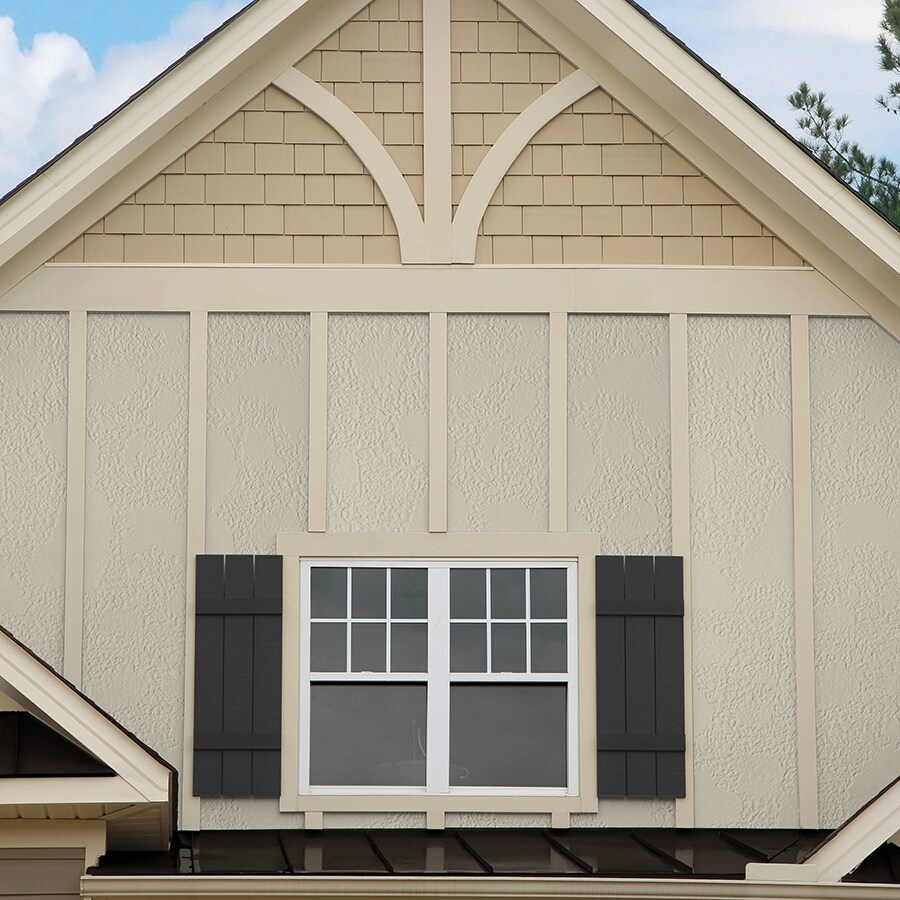
When it comes to fiber cement stucco panel siding, there are numerous design options available that can greatly enhance the aesthetic appeal of a property. Customization plays a key role in achieving a unique and personalized look that suits the style of the building.
Various Design Options
- Smooth Finish: A sleek and modern look can be achieved with a smooth finish that gives a clean appearance to the siding.
- Textured Finish: For a more traditional or rustic feel, textured finishes can add depth and character to the panels.
- Color Variety: Fiber cement stucco panel siding comes in a wide range of colors, allowing for endless possibilities to match or contrast with the existing color scheme of the property.
Customization for Aesthetic Appeal
- Architectural Details: Adding architectural details such as trim pieces, corner accents, or decorative elements can elevate the overall look of the siding.
- Panel Layout: By experimenting with different panel sizes, orientations, and configurations, customization can create unique patterns and designs on the facade.
- Color Combinations: Mixing and matching colors within the panels can create visual interest and focal points that draw attention to specific areas of the property.
Styles and Finishes
- Contemporary Style: Clean lines, minimalistic finishes, and bold colors can achieve a contemporary and sleek look for modern properties.
- Traditional Style: Textured finishes, earthy tones, and classic architectural details can lend a timeless appeal to more traditional homes.
- Rustic Style: Weathered finishes, natural colors, and rough textures can create a rustic charm that blends seamlessly with natural surroundings.
Cost Considerations and ROI
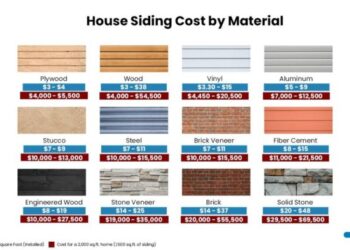
When considering fiber cement stucco panel siding for your property, it is important to take into account the various cost factors associated with this material. From the initial investment to long-term savings and return on investment, understanding the financial implications is crucial for making an informed decision.
Cost Breakdown
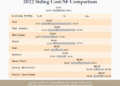
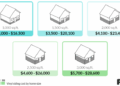
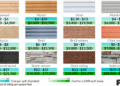
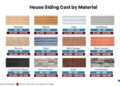
- The cost of fiber cement stucco panel siding typically includes materials, labor, and any additional tools or equipment needed for installation. Prices may vary depending on the quality of the material and the complexity of the project.
- It is important to factor in the cost of maintenance and repairs over time, as well as any potential savings on energy bills due to the insulation properties of fiber cement siding.
- Comparing quotes from different contractors and suppliers can help you get a better idea of the overall cost and choose the option that best fits your budget.
ROI and Long-Term Savings
- While fiber cement stucco panel siding may require a higher initial investment compared to other siding materials, it offers long-term savings in terms of durability and low maintenance requirements.
- With proper installation and maintenance, fiber cement siding can last for several decades, reducing the need for frequent repairs or replacements that can add up over time.
- Additionally, the energy-efficient properties of fiber cement siding can result in lower heating and cooling costs, providing further savings in the long run.
Quality and Value Proposition
- The quality of the fiber cement material can significantly impact the overall cost and value proposition of stucco panel siding. Higher-quality materials may come at a higher price, but they often offer better durability, weather resistance, and aesthetic appeal.
- Investing in a high-quality fiber cement siding product can increase the value of your property and contribute to its curb appeal, making it a worthwhile long-term investment.
- It is essential to weigh the initial cost against the long-term benefits and potential savings to determine the best value for your specific needs and budget.
Closure
In conclusion, fiber cement stucco panel siding emerges as a top contender in the realm of durable and visually appealing siding options. With its versatile design options, ease of maintenance, and long-lasting performance, it's no wonder that this material continues to be a popular choice for modern construction projects.
Dive into the world of fiber cement stucco panel siding and discover the perfect balance of style and substance for your next renovation or build.
FAQ Overview
What are the main benefits of fiber cement stucco panel siding?
Fiber cement stucco panel siding offers exceptional durability, low maintenance requirements, and a wide range of design options to enhance the aesthetic appeal of any property.
How do you clean and repair fiber cement stucco panel siding?
Regular cleaning with water and mild detergent can help maintain the appearance of fiber cement stucco panel siding. For repairs, it's important to follow manufacturer guidelines and use compatible materials.
What factors contribute to the cost of fiber cement stucco panel siding?
The cost of fiber cement stucco panel siding is influenced by material quality, installation complexity, and any customization options chosen by the homeowner.