
Exploring the world of home siding companies unveils a plethora of options and considerations to ensure your home looks its best. From different materials to installation processes, this guide covers everything you need to know to make an informed decision.
Types of Home Siding
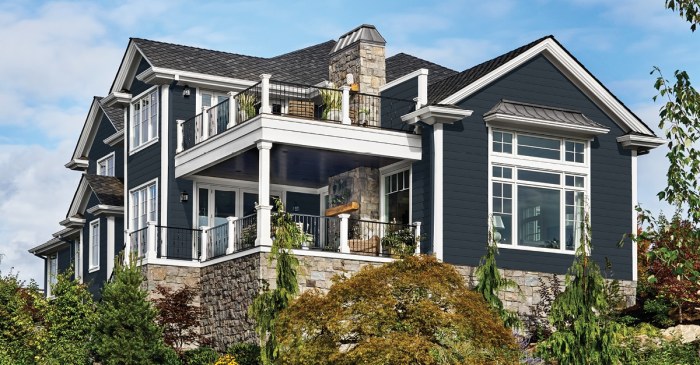
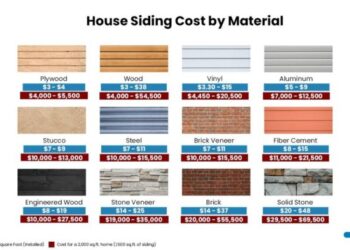
When it comes to home siding, there are several materials to choose from, each with its own set of advantages and disadvantages. Let's take a closer look at vinyl, wood, fiber cement, and metal siding options.
Vinyl Siding
Vinyl siding is a popular choice due to its affordability, low maintenance requirements, and wide range of colors and styles. However, it may crack or fade over time, especially in extreme weather conditions.
Wood Siding
Wood siding offers a natural and timeless look, but it requires more maintenance compared to other materials. It can be prone to rot, insect damage, and warping if not properly maintained.
Fiber Cement Siding
Fiber cement siding is known for its durability and resistance to fire, insects, and rot. It can mimic the look of wood or stucco but requires professional installation due to its weight and handling requirements.
Metal Siding
Metal siding is highly durable and can withstand harsh weather conditions. It is also fire-resistant and low maintenance. However, it may dent or scratch easily and can be more expensive than other siding options.
Choosing the Right Home Siding
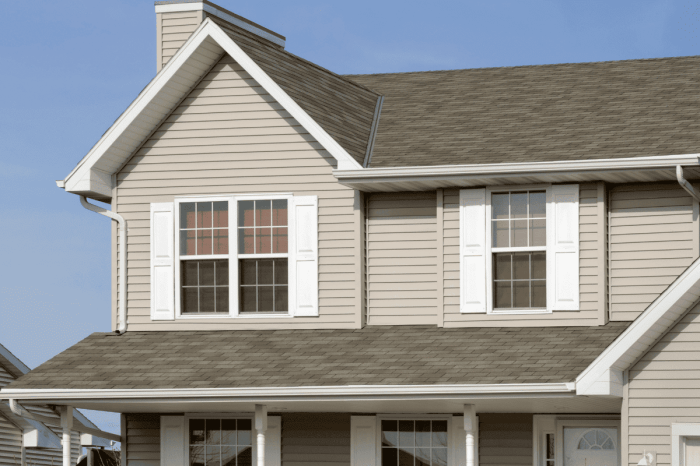
When it comes to selecting the right home siding, there are several factors to consider to ensure both aesthetic appeal and functionality. From material durability to architectural style, each decision plays a crucial role in the overall look and performance of your home's exterior.To start, it's essential to assess the climate conditions in your area.
Different types of siding materials perform better in specific climates, so choosing a siding that can withstand the elements is key to long-term durability. For example, vinyl siding is a popular choice for its low maintenance and resistance to moisture, making it ideal for humid climates.
On the other hand, fiber cement siding is known for its durability and resistance to extreme temperatures, making it suitable for areas with harsh weather conditions.Matching the siding to the architectural style of your home is also crucial for a cohesive look.
Traditional homes often pair well with clapboard or cedar shake siding, while modern homes might benefit from sleek metal or composite panels. Consider the color, texture, and overall aesthetics of your home when selecting a siding material to ensure it complements the existing design.
Tips for Matching Siding to Architectural Style
- Research different siding materials and their compatibility with various architectural styles.
- Consult with a professional designer or architect to get expert advice on the best siding options for your home.
- Consider the color palette of your home and choose a siding color that enhances the overall look.
- Look for inspiration from homes with similar architectural styles to see what siding options work well.
Impact of Climate on Siding Choices
- Consider the temperature range, humidity levels, and precipitation rates in your area when selecting siding materials.
- Choose a siding material that is resistant to mold, rot, and insect damage, especially in humid or damp climates.
- Opt for insulated siding options in colder climates to improve energy efficiency and maintain comfortable indoor temperatures.
- Regularly inspect and maintain your siding to ensure it remains in top condition and can withstand the climate challenges it faces.
Hiring Home Siding Companies
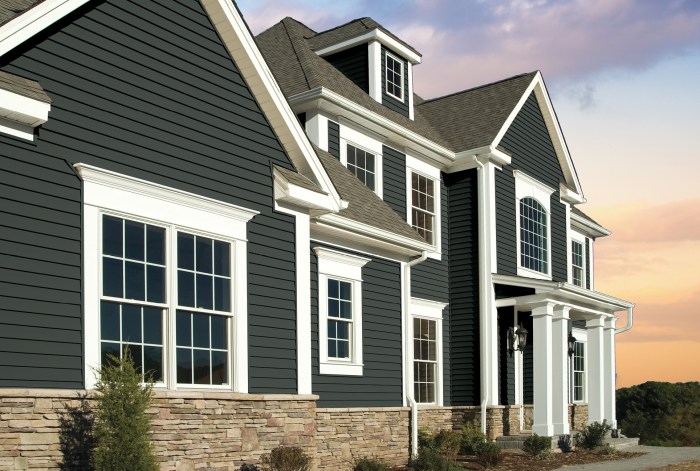
When it comes to hiring a home siding company, there are several important steps to consider in order to ensure you choose a reputable and reliable contractor. From obtaining quotes to evaluating their credibility, making the right choice is crucial for the success of your siding project.
Steps in Hiring a Reputable Home Siding Company
- Research: Start by researching different siding companies in your area. Look for reviews, ratings, and testimonials to get an idea of their reputation.
- Ask for Recommendations: Reach out to friends, family, and neighbors who have recently had siding work done. They can provide valuable insights and recommendations.
- Obtain Multiple Quotes: Get quotes from at least three different siding companies to compare prices, services, and timelines.
- Check Credentials: Ensure the siding company is licensed, bonded, and insured. This will protect you in case of any accidents or damages during the project.
- Meet in Person: Schedule a meeting with the siding company to discuss your project in detail. This will give you a chance to ask questions and gauge their professionalism.
Comparing Methods for Obtaining Quotes from Siding Contractors
- Online Quotes: Some siding companies offer online quote tools where you can input your project details to get an estimate. While convenient, these quotes may not always be accurate.
- In-Person Estimates: Opting for in-person estimates allows the contractor to assess the scope of work accurately and provide a more precise quote. It also gives you a chance to meet face-to-face and discuss the project.
Tips for Evaluating the Credibility and Reliability of Siding Companies
- Check References: Ask the siding company for references from past clients and follow up with them to inquire about their experience.
- Look for Warranties: A reputable siding company will offer warranties on their workmanship and materials. Be sure to ask about the warranty details before making a decision.
- Visit Completed Projects: If possible, visit some of the siding company's completed projects to see the quality of their work firsthand.
Home Siding Installation Process
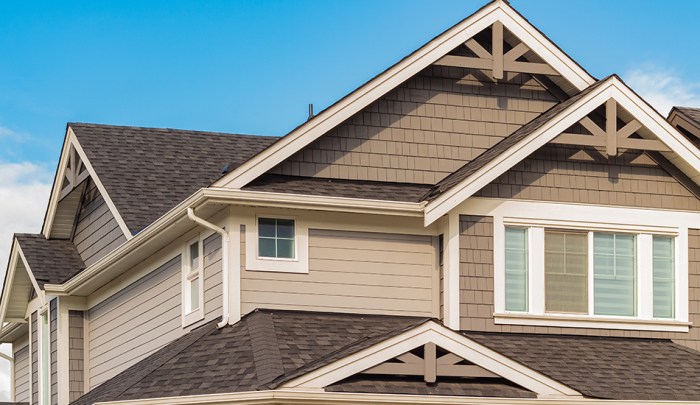
When it comes to installing home siding, there are several key steps involved in the process. From preparation to finishing touches, each stage plays a crucial role in ensuring a successful installation. Let's dive into the details of the home siding installation process.
Preparation and Planning
- Measure and calculate the amount of siding needed for the project.
- Clean and prep the exterior walls to ensure a smooth surface for installation.
- Select the type and style of siding that best fits the design and functionality requirements of the home.
Installation of Underlayment and Flashing
- Install a moisture barrier or underlayment to protect the home from water damage.
- Add flashing around windows, doors, and corners to prevent water infiltration.
- Secure the underlayment and flashing properly to ensure they are watertight.
Siding Installation
- Start installing siding from the bottom up, following manufacturer guidelines for proper alignment and spacing.
- Cut and trim siding pieces as needed to fit around windows, doors, and other obstacles.
- Nail or fasten siding securely to the walls, making sure to allow for expansion and contraction.
Finishing Touches
- Add trim pieces and accessories to enhance the appearance and functionality of the siding.
- Caulk seams and joints to seal out moisture and improve energy efficiency.
- Clean up the work area and inspect the installation for any areas that may need adjustment.
Outcome Summary
In conclusion, navigating the realm of home siding companies requires a blend of research, creativity, and practicality. By understanding the types of siding, selecting the right one for your home, hiring reputable companies, and overseeing the installation process, you can transform your home into a true masterpiece.
Frequently Asked Questions
What are the common types of home siding materials?
Common types include vinyl, wood, fiber cement, and metal siding, each with its own set of pros and cons.
How do I choose the right home siding for my house?
Consider factors like durability, maintenance, architectural style, and climate impact when selecting home siding.
What are the key steps in hiring a reputable home siding company?
Research different companies, obtain multiple quotes, and assess credibility and reliability before making a decision.
What is the typical timeline and cost associated with home siding installation?
The timeline and cost can vary based on the size of your home, the type of siding chosen, and any additional challenges encountered during installation.