
Embark on a journey through the world of replacement wood siding, where we explore the nuances of this process and uncover valuable insights to help you make informed decisions for your home.
In the following paragraphs, we will delve into the types of wood siding, preparation steps, installation techniques, and maintenance tips to ensure a seamless transition to a new, durable exterior for your house.
Introduction to Replacement Wood Siding
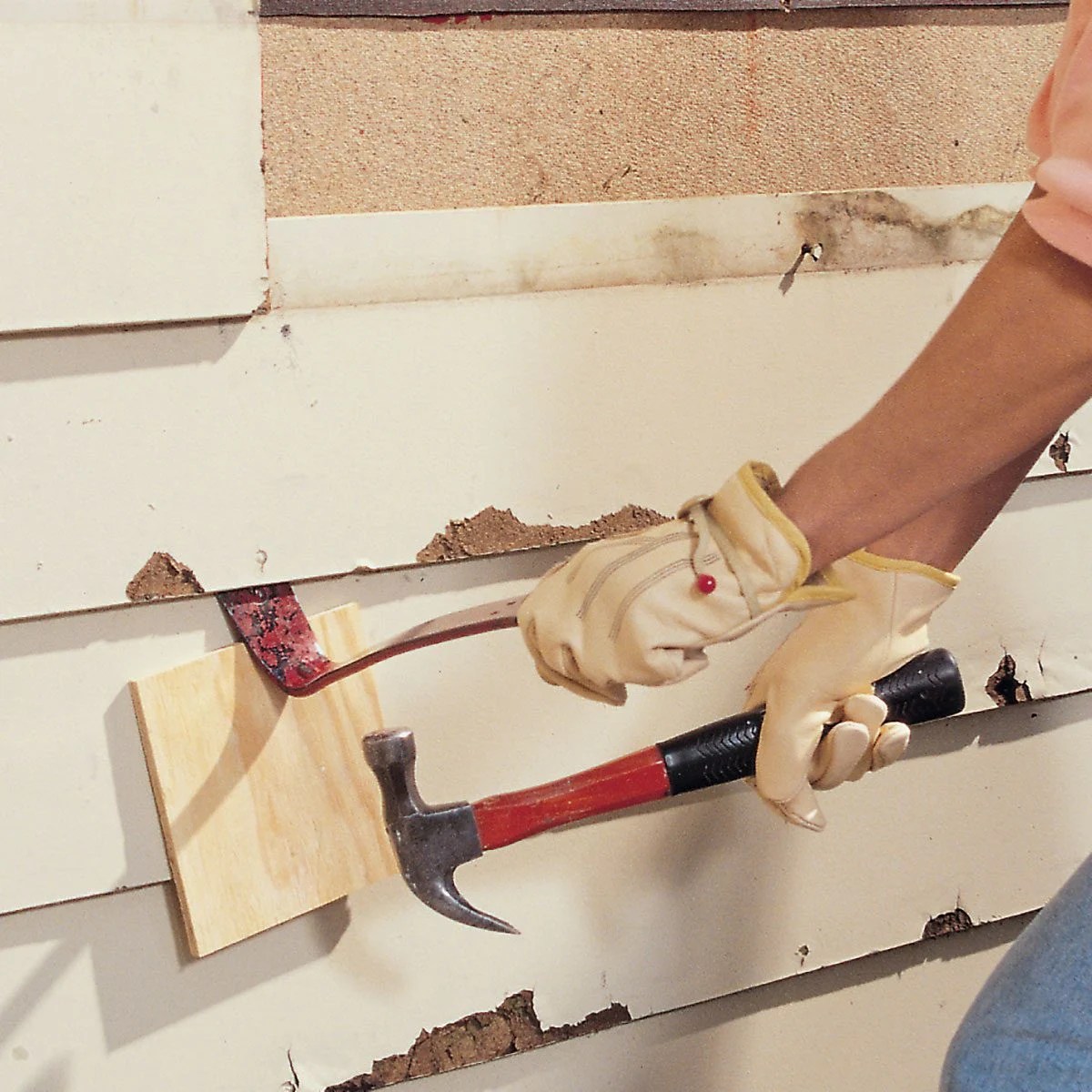
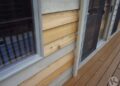
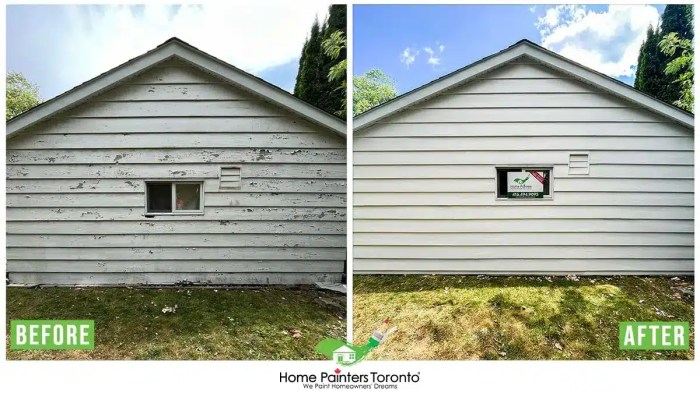
Replacement wood siding refers to the process of removing old or damaged wood siding on a building and replacing it with new wood siding material. This is a common practice to refresh the appearance of a structure and improve its durability.
Advantages of Using Wood Siding for Replacement
- Wood siding offers a timeless and classic aesthetic appeal, enhancing the overall look of a building.
- Wood is a natural insulator, helping to regulate indoor temperatures and reduce energy costs.
- Wood siding is durable and can last for many years with proper maintenance.
- Wood is a sustainable and eco-friendly material, making it a popular choice for environmentally conscious homeowners.
Common Reasons for Replacing Wood Siding
- Decay or rot: Over time, wood siding can deteriorate due to exposure to moisture, leading to decay or rot.
- Damage from insects: Wood siding is susceptible to damage from insects such as termites, which can compromise the structural integrity of the building.
- Cracking or warping: Extreme weather conditions or age can cause wood siding to crack or warp, detracting from the appearance of the building.
- Maintenance issues: If the existing wood siding requires frequent and costly maintenance, replacing it with new siding may be a more cost-effective solution in the long run.
Types of Wood Siding
When it comes to choosing wood siding for replacement, there are several options available, each with its own unique characteristics and cost implications.
Cedar Siding
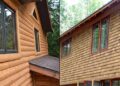
Cedar siding is a popular choice due to its natural beauty, durability, and resistance to rot and insects. It has a warm, rich color that can be left natural or stained. However, cedar siding tends to be more expensive compared to other wood options.
Pine Siding
Pine siding is another common choice for wood siding replacement. It is more affordable than cedar and has a lighter color that can easily be painted or stained. However, pine is softer than cedar, making it more susceptible to dents and scratches.
Redwood Siding
Redwood siding is known for its rich color, durability, and resistance to decay. It is more expensive than cedar and pine but offers a luxurious look that can enhance the curb appeal of a home. Redwood is also naturally resistant to insects and rot, making it a low-maintenance option.
Cost Implications
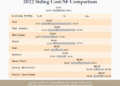
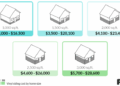
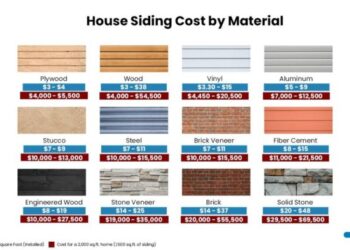
When choosing the type of wood siding for replacement, it's essential to consider the cost implications. Cedar siding is typically the most expensive option, followed by redwood, while pine is the most budget-friendly choice. Keep in mind that the initial cost of the siding is not the only factor to consider
maintenance and longevity should also be taken into account when making your decision.
Preparation for Wood Siding Replacement
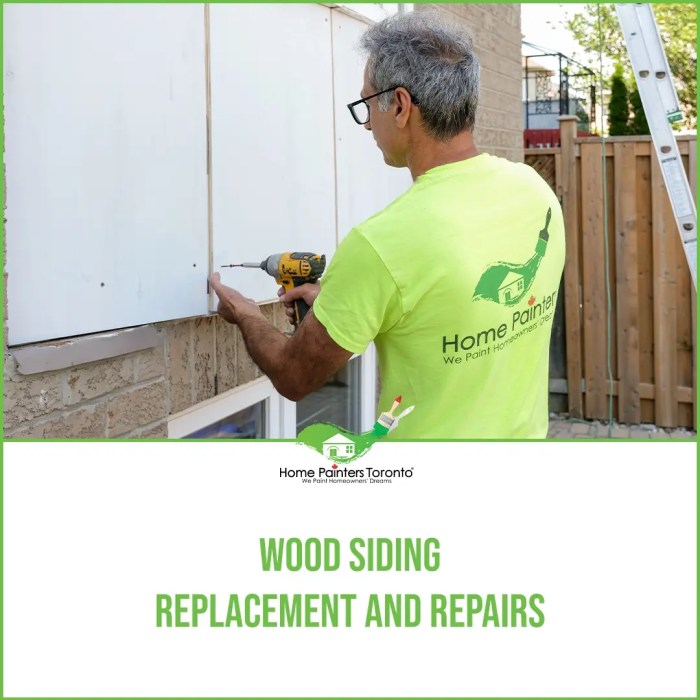
When it comes to replacing wood siding, proper preparation is key to ensuring a successful and efficient process. This involves taking the necessary steps to get your house ready for the installation of new siding.
Steps Involved in Preparing the House
- Inspect the current siding for any damage or rot that needs to be addressed before removal.
- Clean the exterior of the house to remove any dirt, debris, or mold that may affect the installation of new siding.
- Remove any obstacles or clutter near the exterior walls to provide easy access for the replacement process.
- Protect landscaping and plants near the work area to prevent damage during the replacement process.
- Ensure proper ventilation in the work area to allow for airflow and prevent moisture buildup.
Tools and Materials Required
- Hammer and pry bar for removing old siding.
- Nail gun or hammer and nails for installing new siding.
- Tape measure and level to ensure accurate measurements and alignment.
- Safety goggles, gloves, and dust mask for protection during the removal process.
- New wood siding materials, including boards, trim pieces, and fasteners.
Tips on Removing Old Siding
- Start at the top and work your way down when removing siding to prevent damage to the underlying structure.
- Use caution when working around windows, doors, and other obstacles to avoid causing any additional damage.
- Inspect the sheathing underneath the siding for any signs of damage or rot that may need to be repaired before installing new siding.
- Dispose of old siding properly to avoid creating a mess or safety hazards around the work area.
Installation of Replacement Wood Siding
When it comes to installing replacement wood siding, it is essential to follow a step-by-step process to ensure a durable and long-lasting installation. By implementing best practices and techniques for achieving a professional finish, you can enhance the overall look and longevity of your siding.
Step-by-Step Process of Installing Wood Siding
- Prepare the surface: Ensure that the existing surface is clean, dry, and free of any debris or old siding.
- Measure and cut: Take accurate measurements of the area to be covered and cut the wood siding accordingly to fit properly.
- Start from the bottom: Begin installing the siding from the bottom up, making sure each piece overlaps the one below it.
- Secure the siding: Use nails or screws to secure the siding in place, ensuring it is properly fastened to the wall.
- Finish the edges: Trim the edges of the siding to create a clean and polished look.
Best Practices for Ensuring a Durable and Long-Lasting Installation
- Use high-quality materials: Invest in top-notch wood siding materials that are designed to withstand the elements and resist decay.
- Apply a protective finish: Coat the wood siding with a protective finish to enhance its durability and longevity.
- Properly seal joints: Seal any gaps or joints in the siding to prevent water infiltration and potential damage.
Techniques for Achieving a Professional Finish
- Ensure proper alignment: Take the time to align each piece of siding correctly to create a seamless and professional look.
- Use a nail gun or screwdriver: Invest in the right tools to secure the siding in place efficiently and effectively.
- Regular maintenance: Schedule regular maintenance checks to inspect the siding for any damage or wear and tear, addressing issues promptly.
Maintenance and Care of Replacement Wood Siding
Proper maintenance is essential to prolong the lifespan of replacement wood siding. By following some simple steps, you can ensure that your wood siding remains in good condition for years to come.
Regular Cleaning
- Regularly clean your wood siding with a gentle detergent and water to remove dirt, dust, and grime.
- Avoid using high-pressure washers as they can damage the wood fibers and lead to water penetration.
- Rinse thoroughly and allow the siding to dry completely before applying any protective coatings.
Inspect and Repair Damage
- Regularly inspect your wood siding for any signs of damage such as cracks, rot, or mold.
- Address any issues promptly by replacing damaged boards and treating the affected areas to prevent further deterioration.
- Apply a fresh coat of paint or sealant to protect the wood from moisture and UV rays.
Protecting from the Elements
- Consider applying a water-repellent sealant or stain to protect your wood siding from rain, snow, and sunlight.
- Trim any overhanging branches or vegetation near the siding to prevent moisture buildup and potential damage.
- Regularly check the caulk and sealant around windows, doors, and other openings to ensure a tight seal and prevent water intrusion.
Wrap-Up
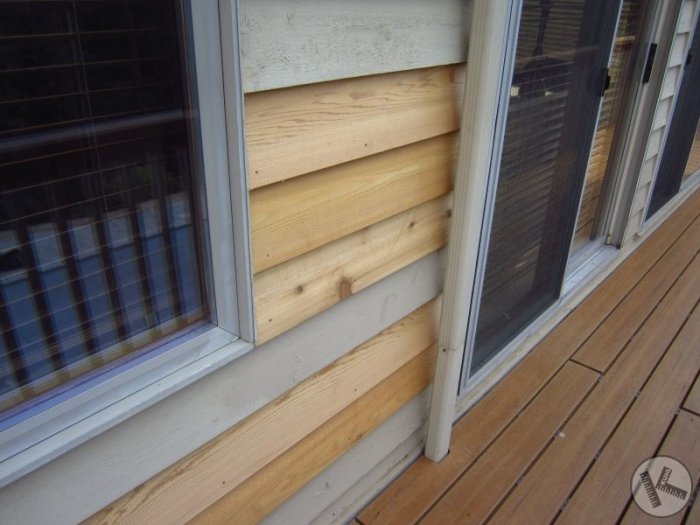
As we conclude our discussion on replacement wood siding, remember that with the right knowledge and care, your wood siding can not only enhance the aesthetic appeal of your home but also stand the test of time.
FAQ Insights
What are the common reasons for replacing wood siding?
Common reasons include rot, pest damage, or simply wanting to update the look of your home.
What are the different types of wood siding available for replacement?
Types include cedar, pine, and redwood, each with unique characteristics and costs.
How can I properly maintain wood siding?
Regular cleaning, inspections, and timely repairs can help prolong the lifespan of your wood siding.