
Delving into the realm of rise siding, this introductory paragraph aims to provide a captivating glimpse into the topic, enticing readers to learn more about this construction material.
As we uncover the benefits, installation process, maintenance tips, and design trends surrounding rise siding, a comprehensive understanding of this versatile material will be unveiled.
Introduction to Rise Siding
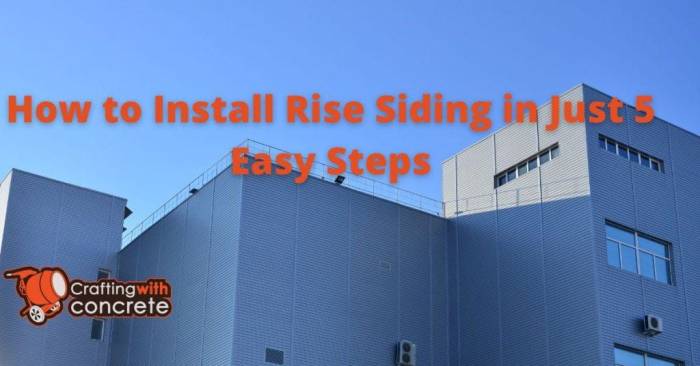
Rise Siding is a type of construction material commonly used in building projects. It is a durable and versatile material that offers various benefits to builders and homeowners alike.
One of the primary benefits of using Rise Siding is its low maintenance requirements. Unlike traditional wood siding, Rise Siding does not require regular painting or staining, saving time and money in the long run. Additionally, Rise Siding is resistant to rot, mold, and insects, making it a durable choice for exterior cladding.
Types of Rise Siding
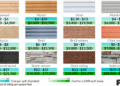
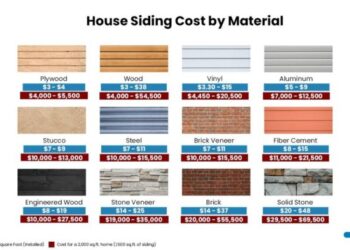
- 1. Fiber Cement Siding: Made from a mixture of cement, sand, and cellulose fibers, fiber cement siding is known for its strength and durability. It comes in a variety of textures and finishes, mimicking the look of wood, stucco, or stone.
- 2. Vinyl Siding: Vinyl siding is a popular choice for its affordability and low maintenance requirements. It is available in a wide range of colors and styles, making it easy to customize the look of a home.
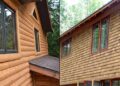
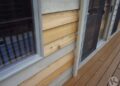
- 3. Engineered Wood Siding: Engineered wood siding is made from wood fibers and other materials, offering the appearance of natural wood without the drawbacks of traditional wood siding, such as susceptibility to rot and insects.
Installation of Rise Siding

Installing Rise Siding on a building exterior is a straightforward process that can greatly enhance the appearance and durability of the structure. Here, we will detail the step-by-step process, required tools and materials, as well as share some tips and tricks for a successful installation.
Step-by-Step Installation Process
Before starting the installation, ensure that the surface is clean, dry, and free of any debris. Follow these steps for a seamless installation:
- Measure the area to determine the amount of Rise Siding needed.
- Cut the siding panels to the required size using a circular saw or specialized cutting tool.
- Start at the bottom of the wall and secure the first panel using nails or screws, ensuring it is level.
- Overlap the subsequent panels according to the manufacturer's instructions, ensuring a tight fit.
- Continue installing panels until the entire wall is covered, making necessary cuts for openings such as doors and windows.
- Finish the installation by securing trim pieces around the edges for a polished look.
Tools and Materials Required
For a successful installation of Rise Siding, you will need the following tools and materials:
| Tools: | Circular saw | Hammer or screwdriver | Measuring tape | Level |
| Materials: | Rise Siding panels | Nails or screws | Trim pieces | Waterproofing sealant |
Tips and Tricks for Seamless Installation
Here are some tips to ensure a smooth and efficient installation of Rise Siding:
- Follow the manufacturer's instructions carefully to avoid any installation errors.
- Use a chalk line to ensure straight and level panel placement.
- Pre-drill holes for nails or screws to prevent cracking or splitting of the panels.
- Apply waterproofing sealant around openings to prevent moisture infiltration.
- Regularly step back and inspect the installation for any misalignment or imperfections.
Maintenance of Rise Siding
Regular maintenance is essential to ensure that Rise Siding maintains its durability and aesthetic appeal over time. By following a recommended maintenance schedule and taking proper care of your siding, you can prolong its lifespan and keep your property looking its best.To clean and care for Rise Siding, you should start by washing it at least once a year with a mixture of mild soap and water.
Use a soft brush or cloth to gently scrub the siding, working from top to bottom to prevent streaking. Rinse thoroughly with a garden hose to remove any soap residue. Avoid using abrasive cleaners or high-pressure washers, as these can damage the siding.Inspect your Rise Siding regularly for any signs of damage, such as cracks, chips, or discoloration.
Address any issues promptly to prevent further damage and maintain the integrity of the siding. Additionally, trim any vegetation near the siding to prevent moisture buildup and potential damage.
Common Issues and Solutions
- Issue: Mold or mildew buildup Solution: Mix equal parts white vinegar and water in a spray bottle and apply to the affected areas. Let it sit for a few minutes before rinsing with water.
- Issue: Fading or discoloration Solution: Consider applying a UV-resistant coating or paint to protect the siding from sun damage and restore its color.
- Issue: Warping or buckling Solution: Ensure that the siding is properly installed and ventilated to prevent moisture buildup, which can cause warping. Replace any damaged panels as needed.
Design Trends with Rise Siding
When it comes to modern architectural design, Rise Siding has become a popular choice for enhancing the aesthetic appeal of building facades. Its versatility and durability make it a sought-after material in the construction industry.
Innovative Use of Rise Siding
Rise Siding is being used in innovative ways to create unique and visually appealing designs. One trend is the use of varying widths and colors of Rise Siding panels to add depth and dimension to a building's exterior. This technique can create a modern and dynamic look that stands out.
Integration with Other Materials
Another design trend involves incorporating Rise Siding with other materials such as wood, metal, or stone. This combination creates a striking contrast and adds texture to the facade, making the building more visually interesting.
Sustainable Design
With a growing focus on sustainability, Rise Siding is also being used in eco-friendly designs. Its energy-efficient properties and recyclability make it a preferred choice for environmentally conscious architects and builders.
Epilogue
Concluding our exploration of rise siding, we have discovered its importance in construction projects, its impact on design trends, and the essential maintenance practices needed to preserve its longevity.
FAQ
What are the benefits of using Rise Siding?
Rise Siding offers durability, versatility, and aesthetic appeal, making it a popular choice for building projects.
How do you clean and care for Rise Siding?
To clean Rise Siding, use a mild detergent and water solution with a soft brush or cloth. Regular cleaning helps maintain its appearance.
What are some common issues that may arise with Rise Siding?
Common issues include fading, warping, or moisture damage. Proper maintenance and inspection can help address these issues promptly.