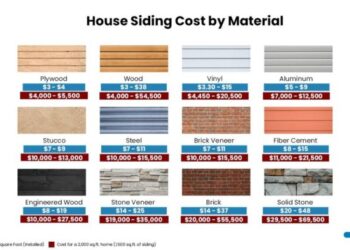

Delve into the world of siding and exteriors where different materials and design trends play a crucial role in enhancing the aesthetics of buildings. From installation processes to maintenance tips, this guide offers a holistic view of everything you need to know about siding and exteriors.
Types of Siding Materials

When it comes to the exterior of a building, the choice of siding material plays a crucial role in its appearance, durability, and maintenance. Let's explore the different types of siding materials commonly used in construction.
Vinyl Siding
Vinyl siding is a popular choice due to its affordability, low maintenance, and versatility. It comes in a wide range of colors and styles, making it suitable for various architectural designs. However, it may crack or fade over time, and repairs can be challenging.
Wood Siding
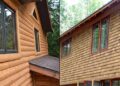
Wood siding offers a natural and timeless look to a building. It is environmentally friendly and can be painted or stained to achieve the desired aesthetic. However, wood siding requires regular maintenance to prevent rot, pests, and weather damage.
Fiber Cement Siding
Fiber cement siding is a durable and low-maintenance option that resists rot, fire, and pests. It can mimic the appearance of wood or stucco while being more cost-effective. However, installation can be labor-intensive, and it may be prone to cracking.
Metal Siding
Metal siding, such as aluminum or steel, is known for its strength, longevity, and resistance to fire and pests. It is available in various finishes and can be recycled, making it an eco-friendly choice. On the downside, metal siding can dent easily and may require repainting over time.
Siding Installation Process
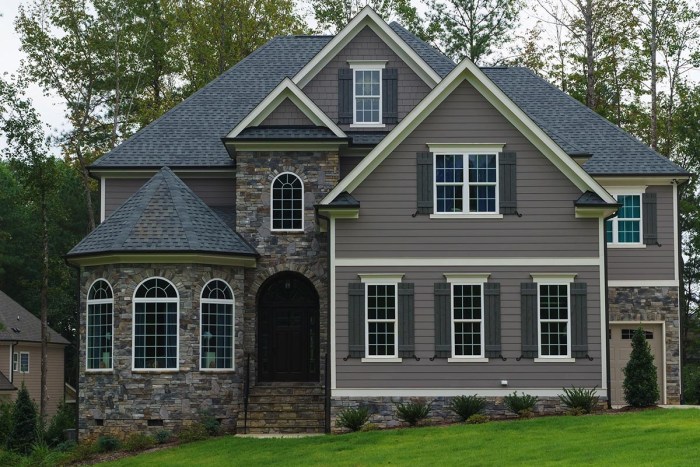
When it comes to installing siding on a building, there are several important steps to follow to ensure a successful and long-lasting result. Proper preparation and attention to detail are key in this process. Here's a detailed guide to help you navigate through the siding installation process.
Preparing the Exterior Surface
Before installing siding, it's crucial to prepare the exterior surface of the building properly. This includes:
- Cleaning the surface: Remove any dirt, debris, or old paint from the walls to ensure a clean and smooth surface for the siding installation.
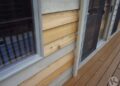
- Repairing any damage: Inspect the exterior walls for any cracks, holes, or rot. Repairing these issues before installing siding will prevent further damage and ensure a secure attachment.
- Applying a moisture barrier: Install a moisture barrier to protect the walls from water damage and mold growth. This barrier will also help improve the energy efficiency of the building.
- Ensuring proper insulation: Proper insulation is essential for energy efficiency and climate control. Make sure the walls are properly insulated before installing siding.
Siding Installation Steps
- Measure and cut the siding panels to fit the dimensions of the building.
- Start at the bottom of the building and work your way up, overlapping the siding panels to create a seamless finish.
- Secure the siding panels to the walls using nails or screws, following the manufacturer's guidelines for spacing and placement.
- Finish the edges and corners with trim pieces to create a polished look.
- Inspect the installation for any gaps, loose panels, or other issues, and make necessary adjustments.
- Apply a protective finish or paint to the siding to enhance its durability and aesthetic appeal.
Common Challenges and Solutions
- Uneven walls: If the walls are uneven, use shims or spacers to create a level surface for the siding installation.
- Warped or damaged siding panels: Replace any damaged panels before installation to ensure a smooth and uniform finish.
- Mismatched seams: Pay close attention to the alignment of the siding panels to avoid visible seams or gaps.
- Moisture issues: Properly seal the seams and edges of the siding to prevent water infiltration and potential damage to the building.
- Incorrect installation: Follow the manufacturer's instructions carefully to ensure a proper and secure installation of the siding.
Exterior Design Trends
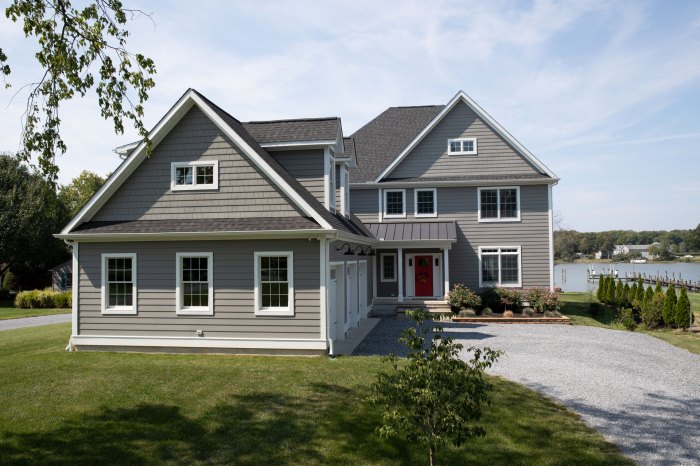
When it comes to exterior design trends, there are several key elements to consider in order to enhance the overall look of a home or building. One of the most impactful ways to elevate the curb appeal is through the choice of siding design and colors.
Incorporating Bold Colors
One of the latest trends in exterior design is the use of bold and vibrant colors for siding. While traditional neutral tones like white, beige, and gray have always been popular choices, more homeowners are now opting for eye-catching hues such as deep blues, forest greens, and even shades of black to make a statement.
Mixing Materials for Texture
Another innovative approach to modern exterior design is the use of multiple siding materials to create texture and visual interest. Mixing materials like wood, metal, and fiber cement can add depth to the façade of a home, giving it a contemporary and dynamic look.
Embracing Sustainable Options
With an increased focus on sustainability and eco-friendliness, many homeowners are turning to environmentally friendly siding materials like reclaimed wood, recycled metal, and composite materials made from recycled plastics. These options not only contribute to a greener environment but also add a unique touch to the exterior design.
Maintenance and Care
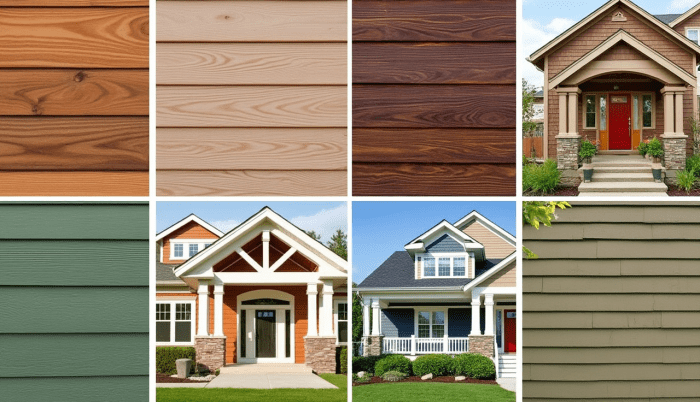
Regular maintenance is crucial for keeping your siding and exteriors in top condition and extending their lifespan. By performing routine care tasks, you can prevent damage, maintain curb appeal, and ensure the longevity of your investment.
Seasonal Maintenance Checklist
- Spring:
- Inspect for any damage, cracks, or loose panels.
- Clean dirt, debris, and mold with a gentle detergent and water solution.
- Trim vegetation away from the siding to prevent moisture buildup.
- Summer:
- Check for signs of fading or discoloration and consider repainting if needed.
- Inspect caulking and seals around windows and doors for any gaps.
- Pressure wash the siding to remove built-up grime or mildew.
- Fall:
- Clear gutters and downspouts to prevent water damage and overflow.
- Remove leaves and debris from siding to prevent staining or damage.
- Inspect for any signs of pest infestations or nesting.
- Winter:
- Check for any cracks or gaps that could lead to drafts or water infiltration.
- Ensure proper insulation to prevent freezing and moisture damage.
- Remove snow buildup to prevent excess weight on the siding.
Addressing Common Issues
- To combat mold and mildew, mix water and vinegar in equal parts and scrub the affected areas gently.
- For fading, consider repainting the siding with a UV-resistant paint to restore its color and protect it from sunlight.
- Regularly inspect for signs of damage and address them promptly to prevent further issues.
Final Wrap-Up
As we conclude this discussion on siding and exteriors, remember that the key to a visually appealing and well-maintained exterior lies in understanding the materials and design trends that best suit your needs. With this knowledge in hand, you can transform your home or building into a true work of art.
Answers to Common Questions
How often should I clean my siding?
You should aim to clean your siding at least once a year to prevent dirt and grime buildup.
Can I paint over my existing siding?
Yes, you can paint over certain types of siding like wood or fiber cement, but make sure to prepare the surface properly.
What are the signs that my siding needs replacement?
Signs include cracks, warping, rotting, or excessive fading that cannot be addressed with simple repairs.
How can I prevent mold growth on my siding?
Regularly clean your siding, ensure proper ventilation, and address any water leaks promptly to prevent mold growth.